Khachkars of Armenia
 Khachkars are one of the most distinctive symbols of Armenian culture. These intricately carved stone crosses (from the words “khach” — cross and “kar” — stone) embody the spiritual and artistic heritage of the Armenian people. Recognized by UNESCO as part of the Intangible Cultural Heritage, each khachkar is unique, carrying deep cultural and religious meaning within its patterns. Traditionally, khachkars were created to commemorate important events or serve as spiritual guardians. Crafted mostly from tuff stone, they impress with their fine carvings, interlacing motifs, floral ornaments, and depictions of birds — symbols of resurrection and renewal. The golden age of this art was the 12th–13th centuries, when legendary masters such as Momik, Poghos, and Mkhitar created works considered masterpieces today.
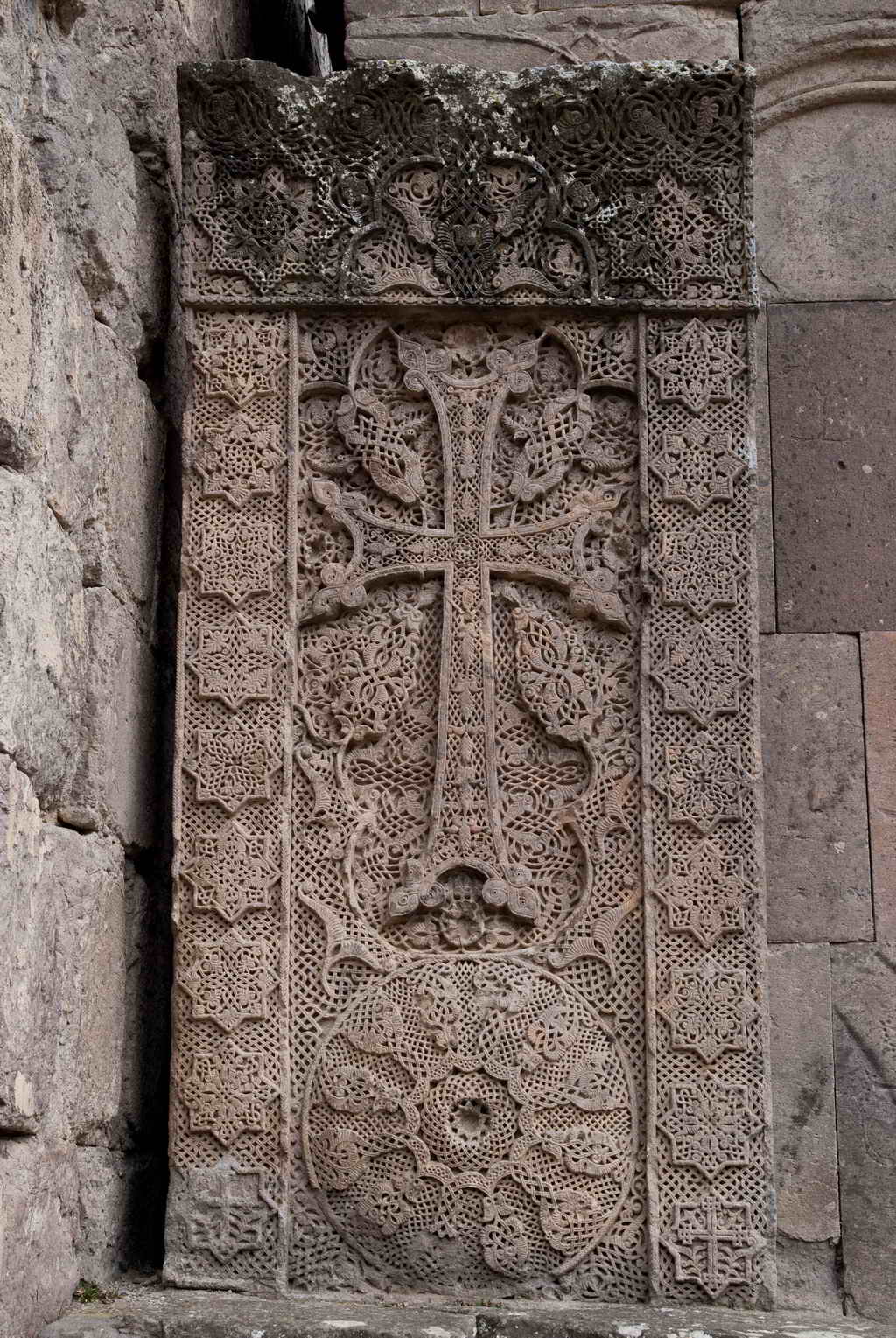
You can discover Armenia’s most remarkable khachkars across the country:
- Noratus on Lake Sevan — the largest surviving khachkar cemetery, featuring over 900 examples;
- Geghard, where many khachkars are carved directly into the rock;
- Noravank, famous for the refined works of the master Momik;
- Goshavank, home to one of the most beautiful khachkars carved by Poghos;
- Echmiadzin, where several significant modern khachkars stand, including memorial pieces.
 But the most extraordinary experience is not just observing — it’s creating your own piece of history. In Yerevan and the Gegharkunik region (especially near Noratus), visitors can participate in khachkar carving workshops that allow you to immerse yourself in a centuries-old tradition.The workshop begins with a brief theoretical introduction, where masters explain the symbolism and history behind khachkars. Then comes the hands-on part: under the guidance of a sculptor, you learn how to work with tuff or basalt, mastering the basic carving techniques. The most rewarding moment comes at the end — you will create your own small khachkar, which you can take home as a unique and meaningful souvenir.
The duration of such workshops is typically 2–3 hours, depending on the program.