Magil Cave (Magellan Cave)
One of Armenia’s Most Mysterious and Least Explored Natural Wonders
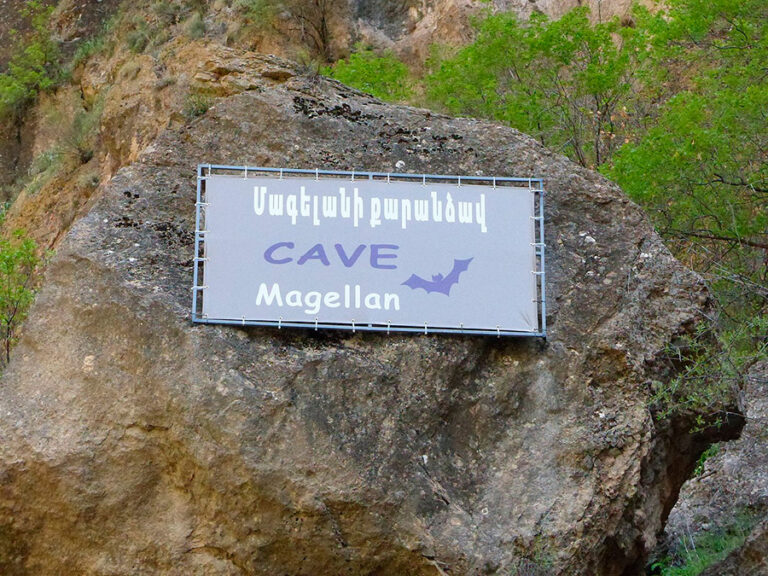 Magil Cave, also known as Magelan Cave, is one of the most enigmatic and little-studied natural marvels of Armenia. It is located in the Vayots Dzor Province, in the picturesque Upi Gorge, just a few kilometers from the road leading to the famous Noravank Monastery. This karst cave is considered one of the largest in the country. To date, it has been explored to a depth of approximately 1.7 kilometers, while numerous side passages and underground chambers remain largely uncharted.
Discovery and Name
The cave was discovered relatively recently, in 1980, by a local hunter named Magelan Arakelyan, who was affectionately called Magil by his friends. His name became permanently associated with the cave, giving rise to many mystical associations among travelers, although the name has no connection to the word “grave”.
The Underground World
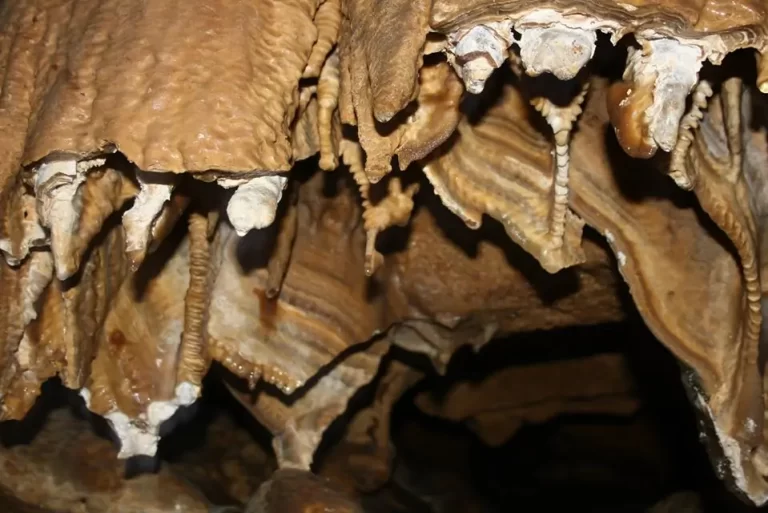 The entrance to Magil Cave is extremely narrow — only one person can squeeze through at a time, literally crawling inside. But just a few meters in, a completely different world opens up: spacious halls 10–15 meters wide, high vaulted ceilings, underground corridors, and natural galleries. Some areas feature steep drops, pits, and difficult passages, making the cave dangerous for independent exploration.
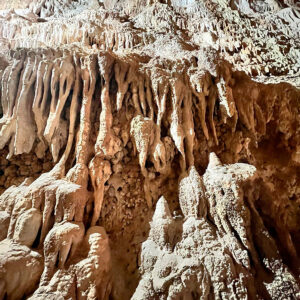
The main treasure of Magil Cave is its underground architecture. Stalactites and stalagmites, formed over thousands of years drop by drop, create fantastic shapes and intricate patterns on the walls and ceilings. The cave maintains a constant temperature of about +14 to +16 °C (57–61 °F) year-round, giving it a special microclimate and a sense of timelessness.
Ancient Inhabitants
Magil Cave was inhabited as far back as the Neolithic era. Archaeologists have discovered cave bear bones, stone tools, and traces of human activity. Its hard-to-reach entrance likely made it a reliable shelter — both for prehistoric humans and, later, as a refuge from enemy raids. Some of the artifacts found date as far back as the 9th century.
Unique Ecosystem
 The cave also hosts a remarkable ecosystem. Magil is a true underground home for bats, with eight species residing here, six of which are listed in the Red Book of Armenia. In 2005, researchers discovered a large maternity colony of Arak bats, numbering about 600 individuals. Historically, the bat population reached tens of thousands, but human interference has significantly reduced their numbers. For this reason, access to the cave is strictly controlled and only allowed under expert supervision.
Magil Cave is located approximately 112 km from Yerevan and just 3 km from the village of Areni, known as the world’s oldest wine-producing region. Nearby caves have revealed the earliest traces of winemaking — clay vessels and grape seeds showing evidence of fermentation over 6,000 years old. The legendary Noravank Monastery complex is also close by, making this region especially appealing to lovers of history, nature, and adventure.
Tourism and Safety
Today, Magil Cave remains closed to mass tourism due to its complexity and potential hazards. Nevertheless, it is rightly regarded as one of Armenia’s most intriguing underground secrets — a place where nature, ancient history, and a living ecosystem converge beneath the rock, preserving an atmosphere of pristine mystery.