Traditions and customs of Armenia
Armenia is a country where ancient customs blend harmoniously with modern life. Here traditions are not just preserved — they are lived. For travelers, learning about Armenian customs opens the door to a culture that cannot be understood through a guidebook alone.
Greetings and First Steps in Communication
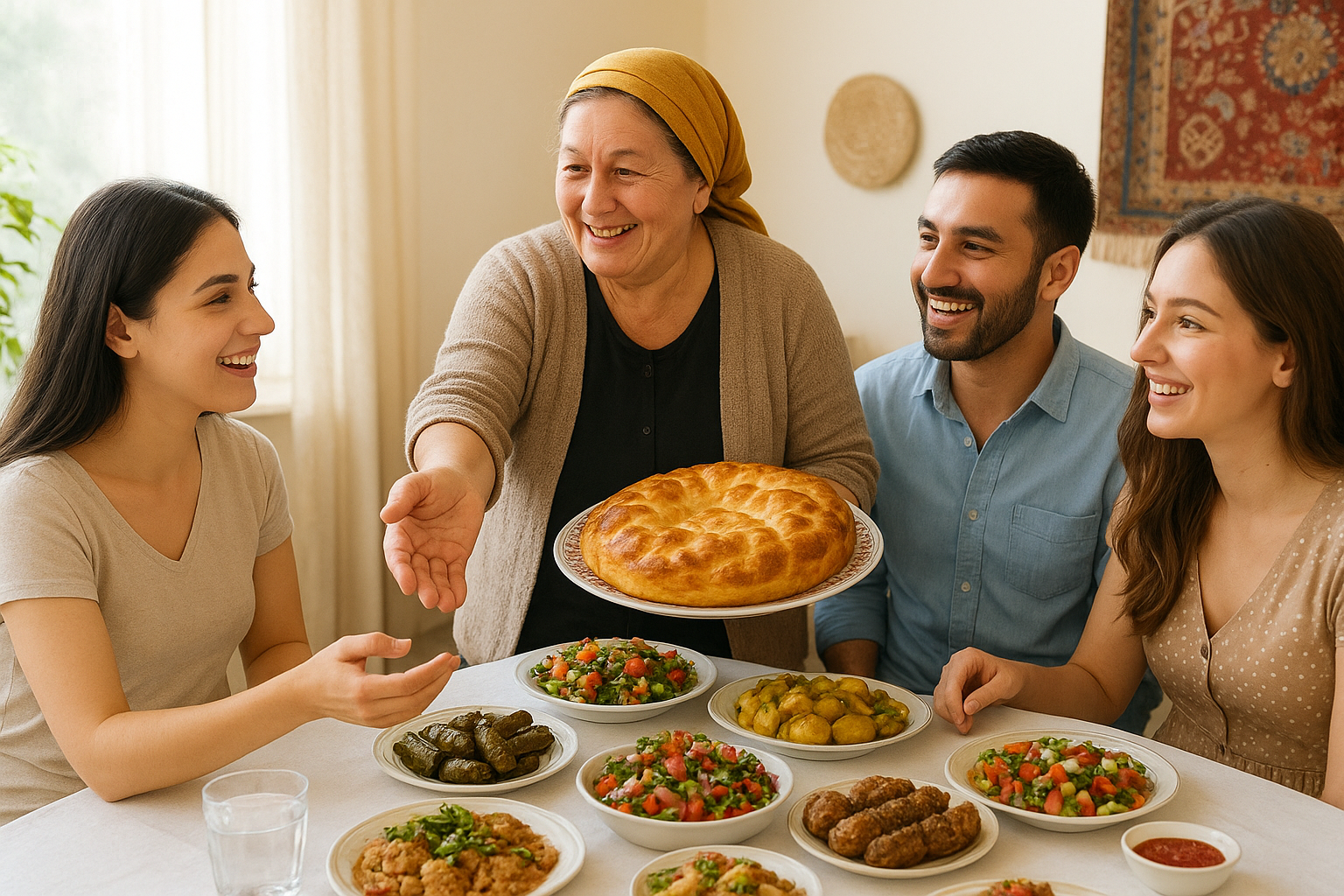 In Armenia, meeting someone for the first time usually begins with a simple handshake. But when close friends or relatives meet — especially men — the handshake is often followed by a friendly kiss on the cheek, a gesture of warmth and sincere affection. Women greet each other the same way, particularly if they have a long-standing friendship. For foreigners this can feel unusual, but in Armenia it is a natural sign of respect and closeness.
Armenians generally greet others warmly, sincerely, and without unnecessary formality. It is not only what you say that matters, but how — locals appreciate direct eye contact and a friendly tone.
Hospitality as a Way of Life
Armenian hospitality is legendary. For locals, a guest is more than someone who enters the home — they are seen almost as a blessing, and are treated with exceptional warmth. An Armenian host will do everything possible to make a traveler feel welcome: offer food, show the city, help with directions, or even invite them home despite knowing them for only a few minutes.
And there is no hidden intention behind this. The desire to help and share kindness is simply part of the national character.
Communication: Openness and Emotion
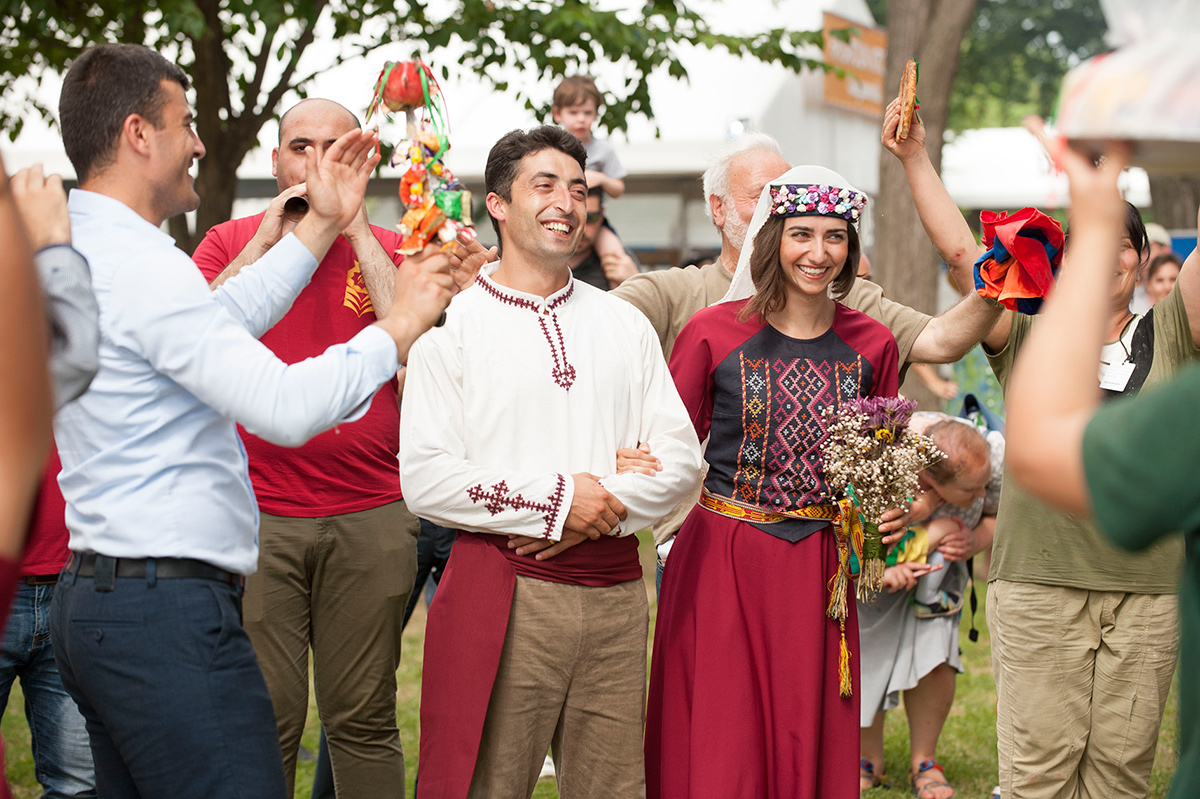 Armenians are very sociable. They look directly into your eyes during conversation and may ask detailed — sometimes even personal — questions, not out of curiosity but from a genuine desire to understand you better. Compassion and empathy are deeply ingrained traits. Locals will readily support you with advice, attention, or simply a kind word.
If you have Armenian friends, you have likely heard the affectionate suffix “jan” added to names — a small word expressing warmth and tenderness. Another common expression of care is “tsavt tanem,” which literally means “may I take your pain away” — a heartfelt phrase that reflects genuine empathy.
You may also be surprised to hear how often Armenians say “merci.” Due to historical ties with France, this French word for “thank you” is widely used and often preferred to the Armenian “shnorhakalutyun.”
Children — the Heart of the Family
Children hold an almost sacred place in Armenian culture. Locals naturally smile at babies, give compliments, or gently touch a child’s cheek — all with friendly intentions.
If a child becomes fussy in public, passersby may offer advice — Armenians sincerely care about children’s well-being.
A small detail travelers notice: even on cool days, many children are outdoors without hats. Locals believe fresh air is far more beneficial than excessive bundling.
The First Forty Days of a Baby’s Life
Traditionally, newborns are shown only to immediate family. After forty days, an important ceremony takes place: the baby is taken to church for a blessing, and at home the child is washed with forty handfuls of water — for health and good fortune.
When the First Tooth Appears: The “Atamkhatik” Ritual
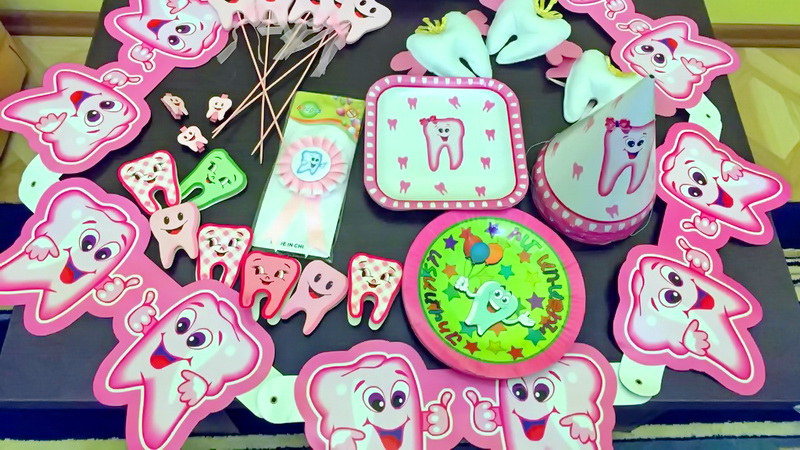 When a child’s first tooth emerges, Armenians celebrate with a charming ceremony. Sweets and grains are sprinkled over the child’s head, and symbolic items — representing different professions — are placed in front of them. Whichever object the child reaches for is believed to predict their future path.
Today, many families use illustrated cards instead of objects — a modern twist on an ancient tradition.
Gifts as a Cultural Norm
In Armenia, it is considered impolite to visit someone empty-handed. A box of sweets, fruit, pastries, or a bottle of wine makes a thoughtful gesture. If the family has children, bringing a small gift for them is especially appreciated.
The rule works both ways: if a child visits your home for the first time, it is customary to prepare a little present.
Being a Good Neighbor
In Armenian neighborhoods, neighbors often feel like extended family. Homemade pastries, fruit from the garden, or jars of jam are commonly shared. But returning an empty dish is considered impolite — you should place at least an apple or a piece of chocolate inside as a sign of gratitude.
Feasts, Toasts, and the Culture of Hosting
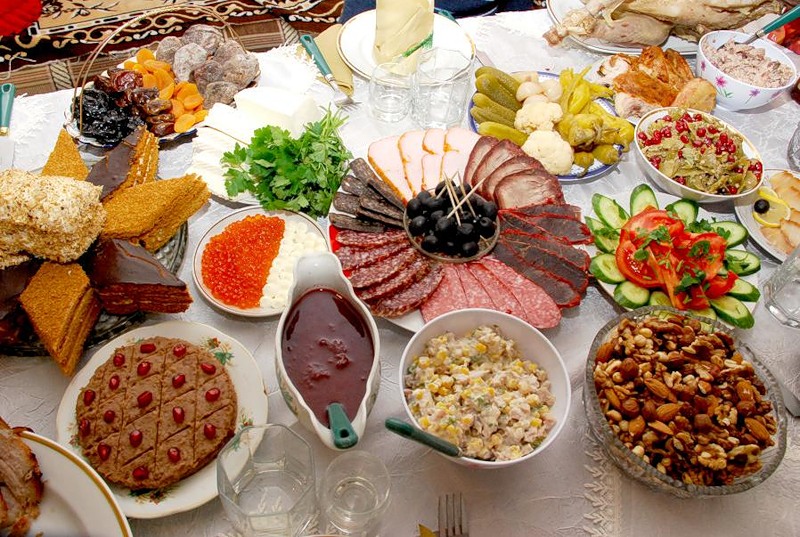 Armenian feasts are a true ritual. The first toast is traditionally offered “to a good meeting,” and the final one — almost always — to parents.
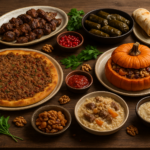
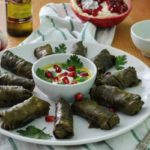
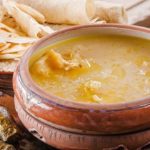
Armenians love long conversations, meaningful toasts, and generous portions. A guest is always fed abundantly, as if they were part of the family. Expect to see lavash, dolma, khorovats (barbecue), kebab, fresh herbs, and homemade drinks ranging from wine and brandy to mulberry vodka.
One of the warmest Armenian words you’ll hear at the table is “jan.”
Armenian Coffee — the Drink of Friendship
Coffee here is brewed in a jazve (cezve) and proudly called Armenian. It is enjoyed from morning to evening, often in the company of friends or neighbors. Some older women still practice fortune-telling by reading coffee grounds — a tradition woven into daily life.
Wool Mattresses and Blankets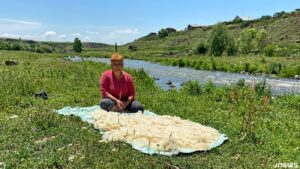
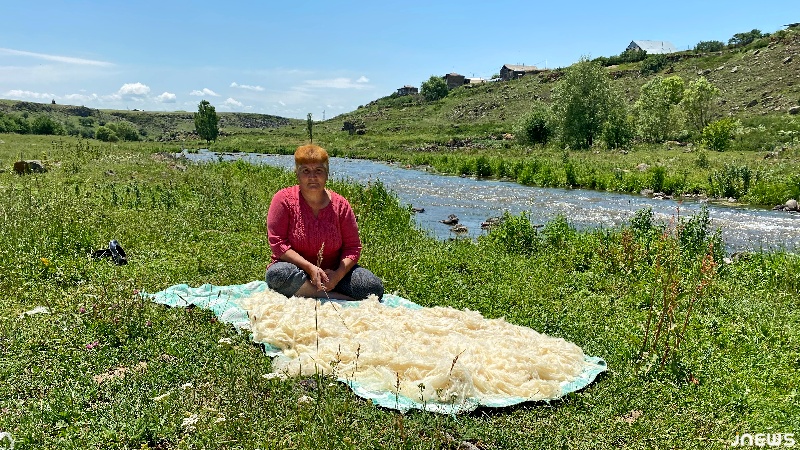
In warmer months, Armenians refresh their traditional wool-filled mattresses (doshak) and blankets (vermak): the filling is washed and dried on rooftops or in courtyards. Fluffing the wool with a special stick called chipot is considered an art — the more skillful the hand, the softer and fuller the bedding becomes.
Water-Related Customs
Water holds a special symbolic meaning in Armenian culture.
Some well-known traditions include:
- the youngest drinks first — “water for the young, word for the elder”;
- when someone begins a journey, water is poured behind them so their path will be smooth;
- a bad dream can be “given” to running water so it carries the fear away.
Major Holidays: New Year and Christmas
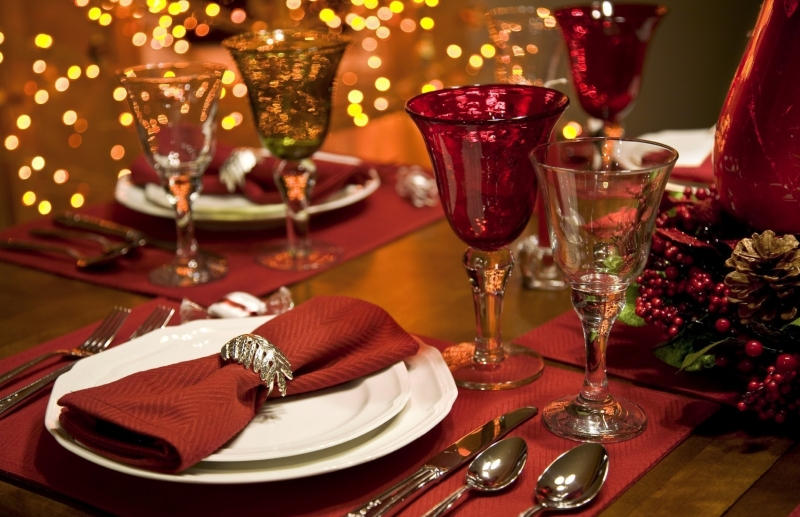 New Year is the most significant holiday of the year. Tables are filled with abundant dishes, and the centerpiece is traditionally a roasted pork leg (bud). Guests visit each other for up to ten days, and every home welcomes them with a festive table.
Christmas is celebrated on January 6. Traditional dishes include:
- rice pilaf with raisins, apricots, or nuts,
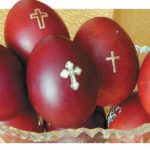
- colored eggs,
- stewed greens,
- fish dishes,
- holiday pastries.
Matagh — an Ancient Ritual of Gratitude
In rural areas, the ancient custom of matagh is still preserved — a sacrificial offering made in gratitude for being spared from misfortune. The meat is blessed, cooked, and then shared with neighbors and those in need. It is an act of kindness and devotion, not simply a ritual.
City and Village: Two Ways of Life
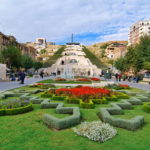
Yerevan embraces a modern lifestyle: bright clothing, long hair on men, piercings, and contemporary fashion are widely accepted.
Village life, however, remains more conservative. Travelers should dress more modestly when visiting small settlements to respect local customs.
Attitude Toward Foreigners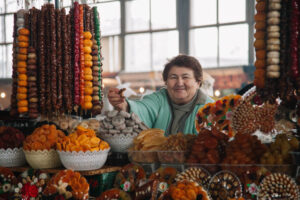
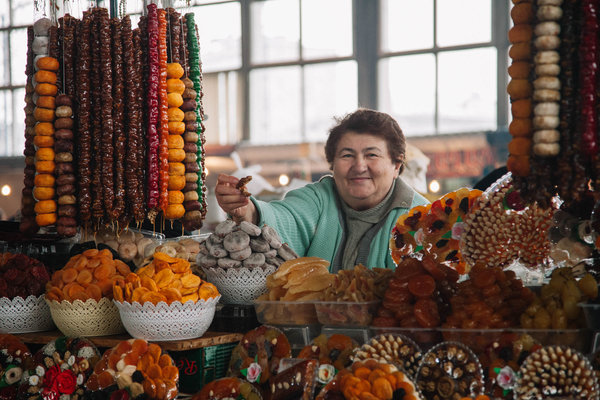
Armenians are genuinely friendly and quick to help travelers. Many locals in Yerevan speak Russian or English. You can feel comfortable in public spaces, though very loud conversations are not encouraged — while Armenians are expressive, overly noisy behavior can feel out of place.
What’s the essence of Armenian traditions?
Hospitality here is not just etiquette — it is a philosophy. A guest is considered a blessing, and sharing a meal is seen as a form of goodwill. Armenian customs are filled with warmth, respect, and genuine human connection — values that make any journey through Armenia truly unforgettable.