Lake Sevan – Armenia’s Inland Sea Born from Legend
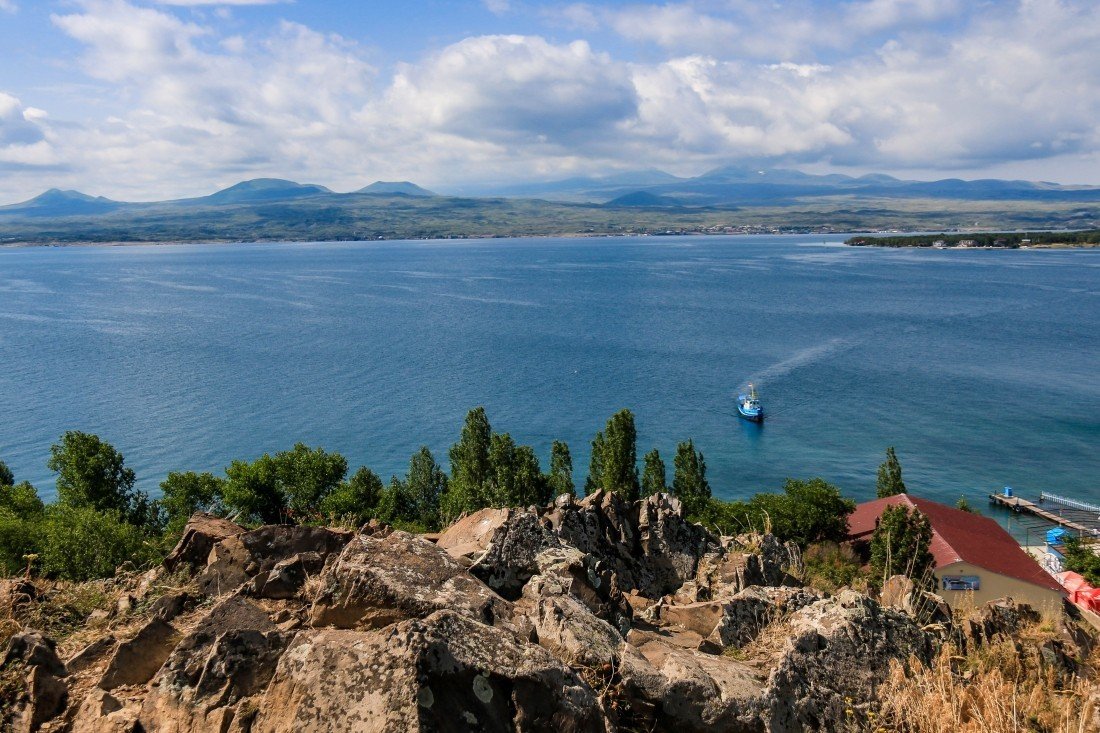
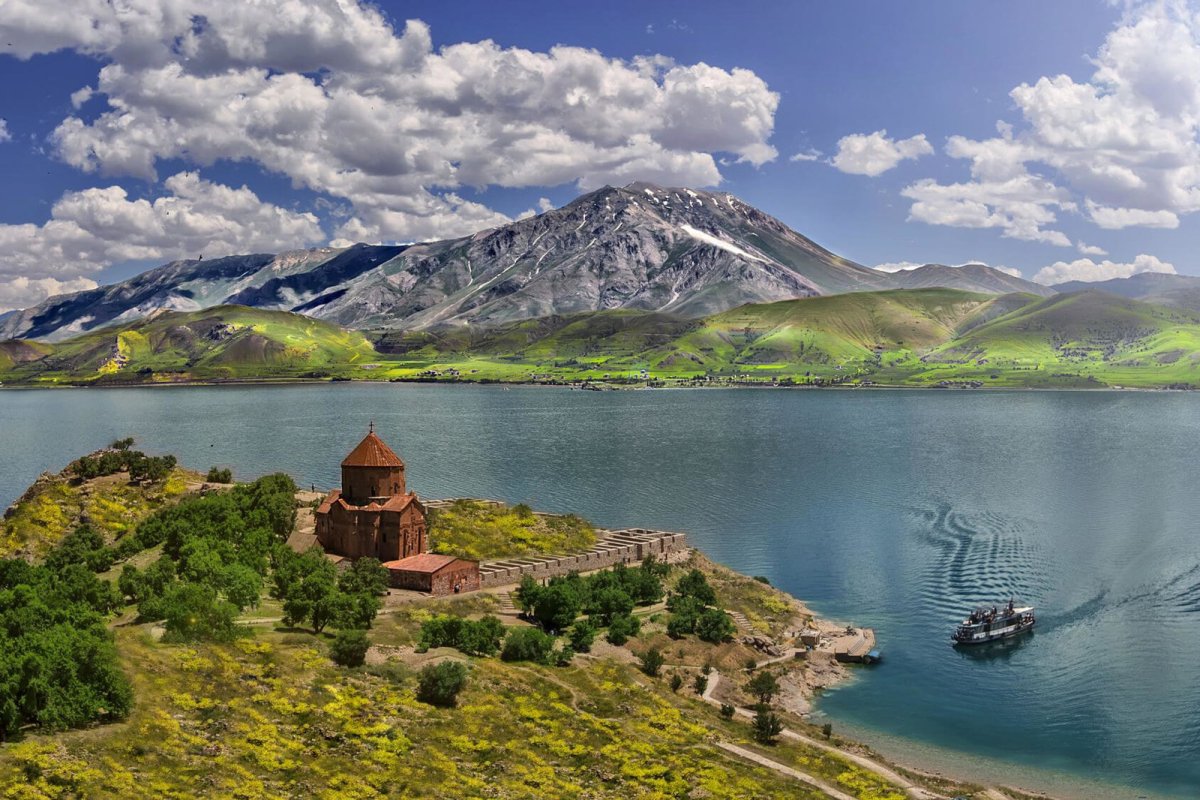
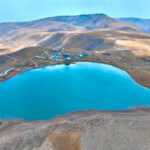
There are places that cannot be described by facts and figures alone. Lake Sevan is one of them. Often referred to as the “Blue Pearl of Armenia” and the country’s “inland sea,” it lies at an altitude of nearly 1,900 meters (6,230 feet) above sea level, making it one of the largest high-altitude freshwater lakes in Eurasia. Yet visitors come here not only for its breathtaking scenery but also for its rich history, fascinating legends, and unique atmosphere.
A Lake That Was Once a Valley
One of the most beloved Armenian legends tells the story of a fertile valley that once occupied the place where Lake Sevan now stretches. The valley was filled with orchards, forests, meadows, and villages, and at its heart flowed a crystal-clear spring. The spring was so powerful that it was always sealed with a massive stone after people collected water.
One evening, a young girl came to fill her pitchers. Captivated by the beauty of the sunset, she forgot to place the stone back over the spring. Water began pouring into the valley, flooding the fields, forests, and villages.
According to the legend, the village elders cried out:
“May the one responsible turn into stone!”
At that very moment, the girl was transformed into a rock, while the water continued to rise until it formed the vast lake we know today. It is said that the rocky hill where she turned to stone later became the site of the famous Sevanavank Monastery.
The Mystery Behind the Name “Sevan”
For many years, people believed that the name “Sevan” came from the Armenian words sev (“black”) and vank (“monastery”), referring to the dark volcanic tuff used to build the monastery overlooking the lake.
However, archaeologists later discovered Urartian inscriptions dating back to the 8th–7th centuries BC, suggesting a much older origin. According to one widely accepted theory, the name derives from the Urartian word “Sunia” or “Suinia,” meaning simply “lake.” This discovery significantly changed historians’ understanding of the lake’s ancient past.
A Witness to Thousands of Years of History
Lake Sevan’s history began long before the first monasteries appeared on its shores. Archaeologists have uncovered Bronze Age settlements, ancient fortresses, and numerous remains from the Kingdom of Urartu.
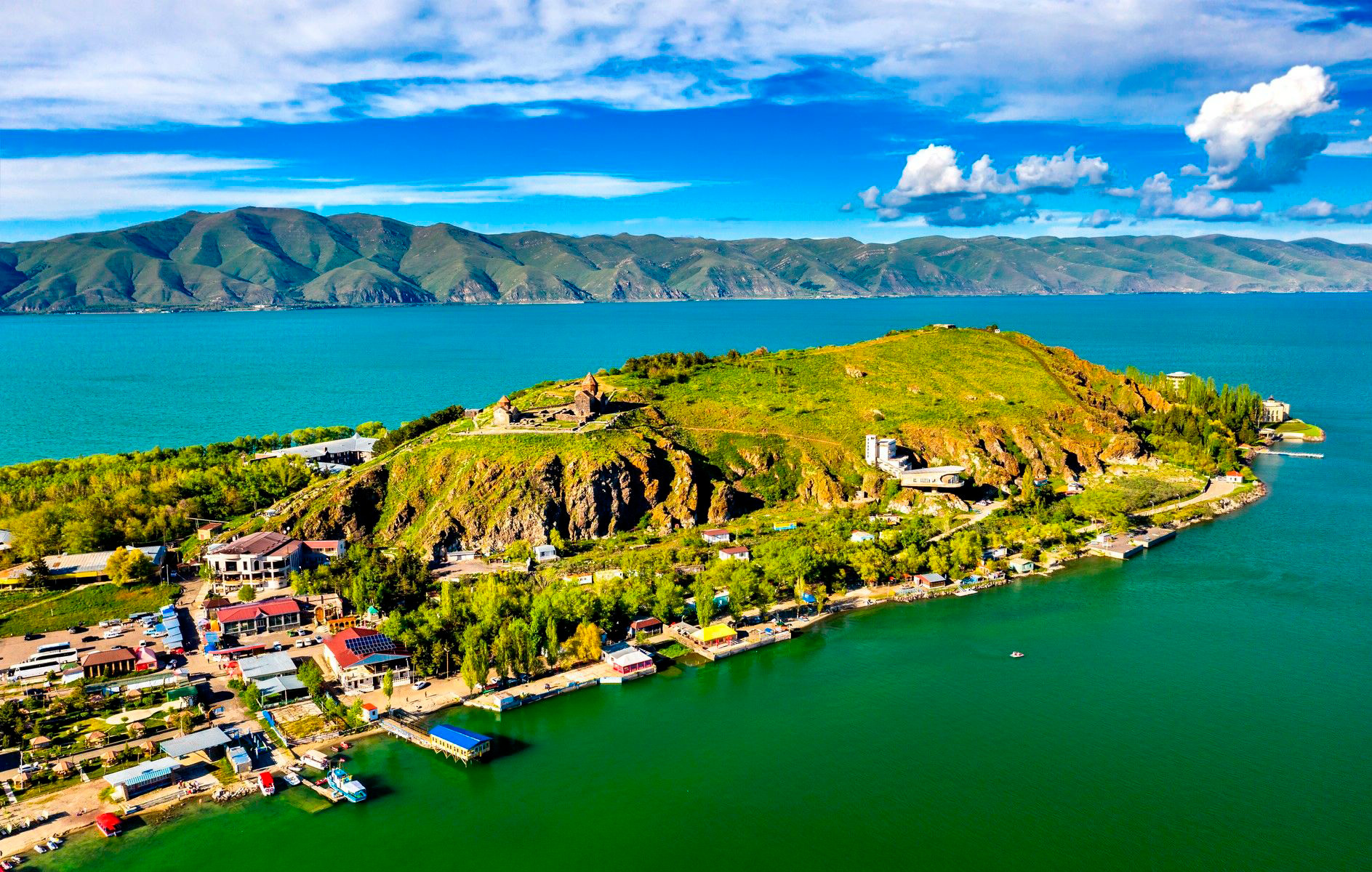
In the 9th century, the Sevanavank Monastery was founded on what was then an island in the lake. For centuries, it served as one of Armenia’s most important spiritual and cultural centers. During the 20th century, the lake’s water level dropped significantly, transforming the island into a peninsula. Today, the monastery’s ancient churches continue to rise majestically above the shimmering blue waters of Sevan.
Why the Waters of Sevan Are Called “Living Water”
For centuries, Armenians have regarded Lake Sevan with deep respect, seeing it as a symbol of life and nature.
According to local tradition, anyone who greets the sunrise on the shores of Sevan and washes their face with its icy water will be blessed with good health, good fortune, and a long life.
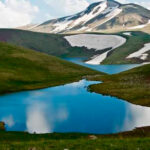
Perhaps that is why so many travelers arrive before dawn. At sunrise, the lake becomes mirror-like, reflecting the surrounding mountains in breathtaking silence.
Fascinating Facts About Lake Sevan
- Lake Sevan covers approximately five percent of Armenia’s territory, making it the country’s largest lake and the largest in the Caucasus region.
- Nearly thirty rivers and streams flow into the lake, while only one river—the Hrazdan—flows out of it.
- The lake is home to the famous Sevan trout, locally known as Ishkhan, which means “prince” or “noble.” For centuries, this rare fish was considered a delicacy worthy of royal tables.
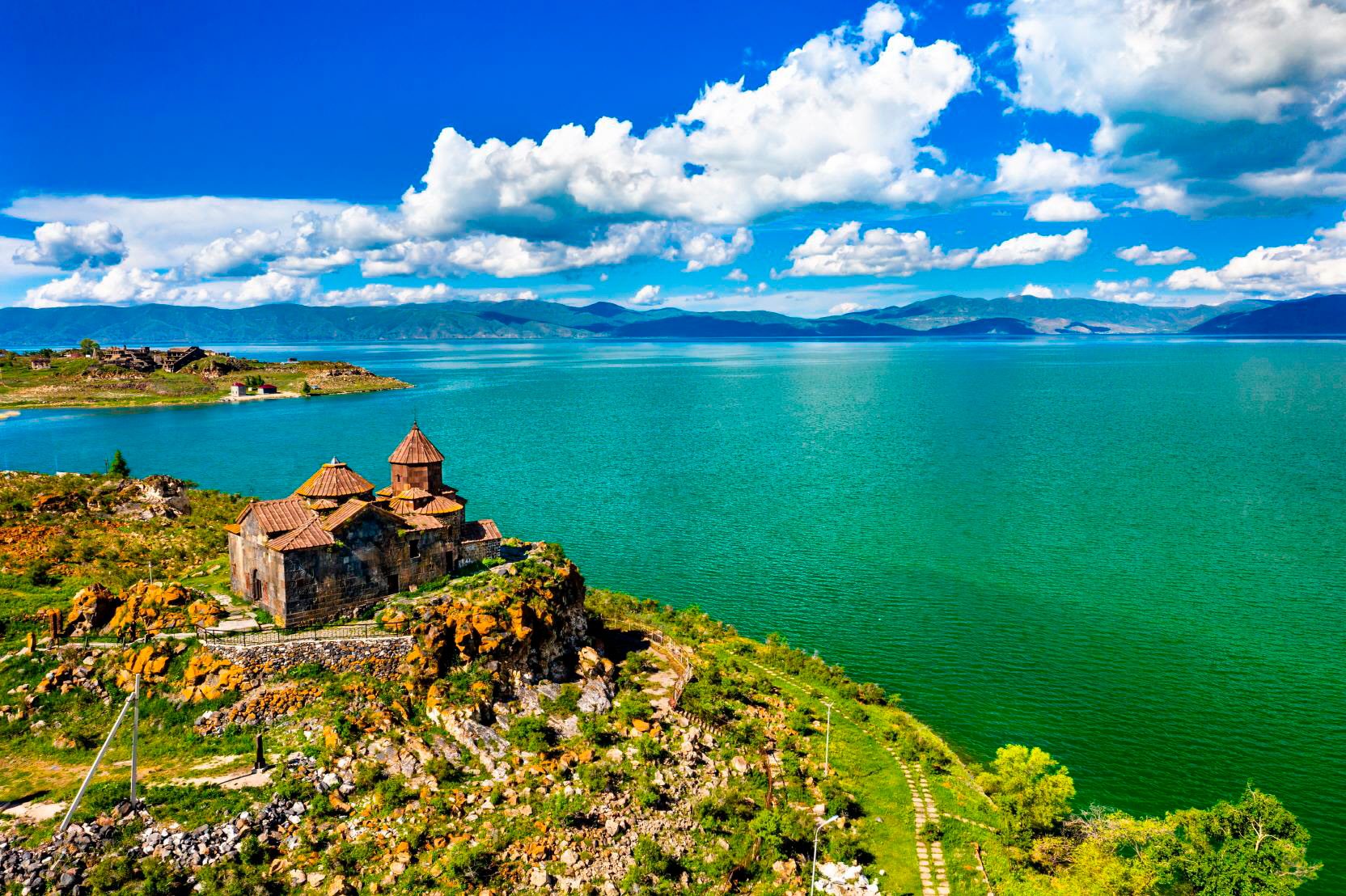
- On sunny days, the lake changes color from deep sapphire blue to brilliant turquoise, making it one of the most photogenic destinations in Armenia.
A Place You’ll Always Want to Return To
Lake Sevan is much more than a tourist destination. It is a place where nature, history, and legend come together in perfect harmony. Visitors can climb to the ancient Sevanavank Monastery, taste freshly prepared Sevan trout, watch unforgettable sunsets over the water, and experience a peaceful atmosphere that no photograph can truly capture.
There is an Armenian saying:
“Whoever has seen Sevan once will never forget its color.”
And indeed, those who leave its shores take home far more than beautiful photographs—they carry with them a piece of Armenia’s soul.