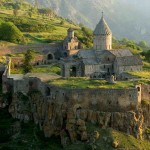
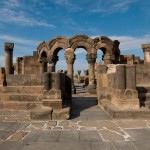
St. Gayane church
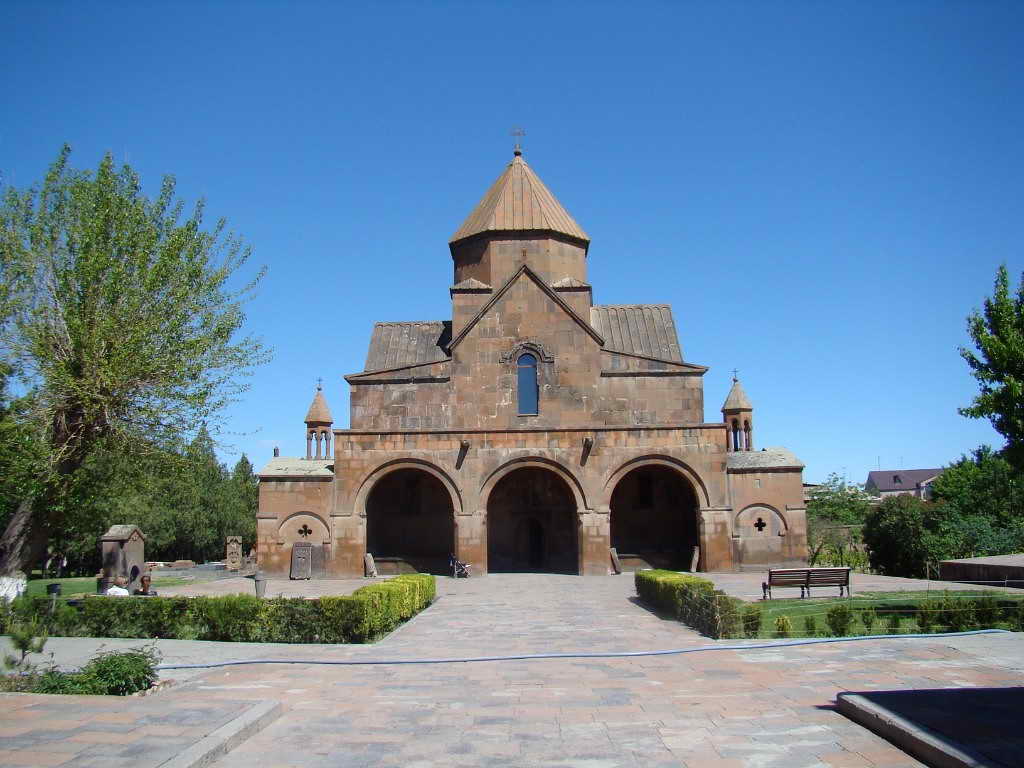
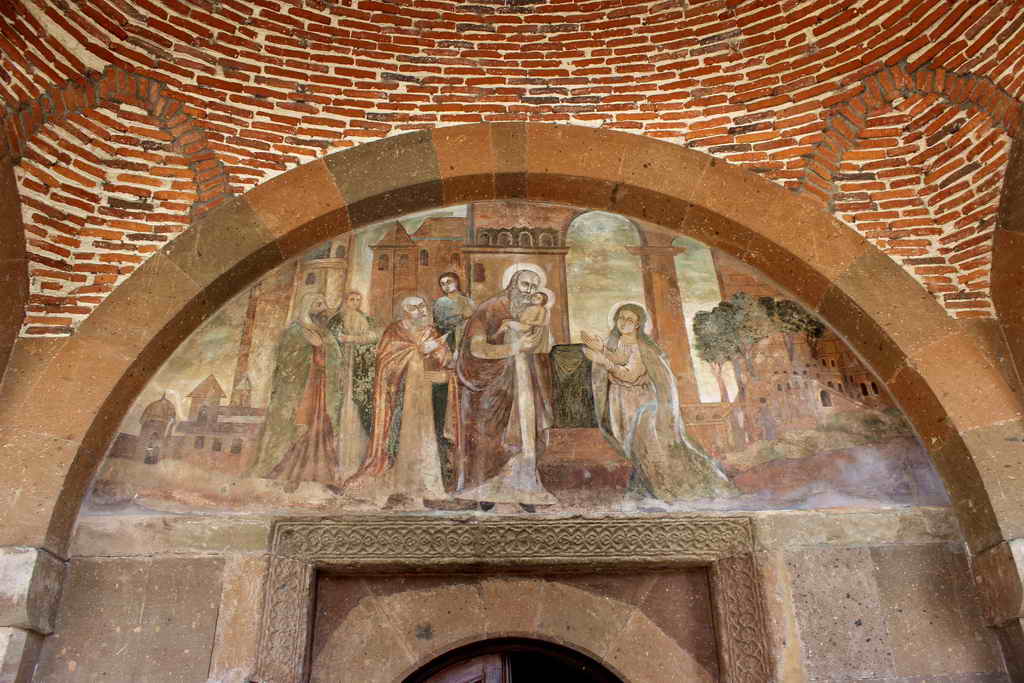
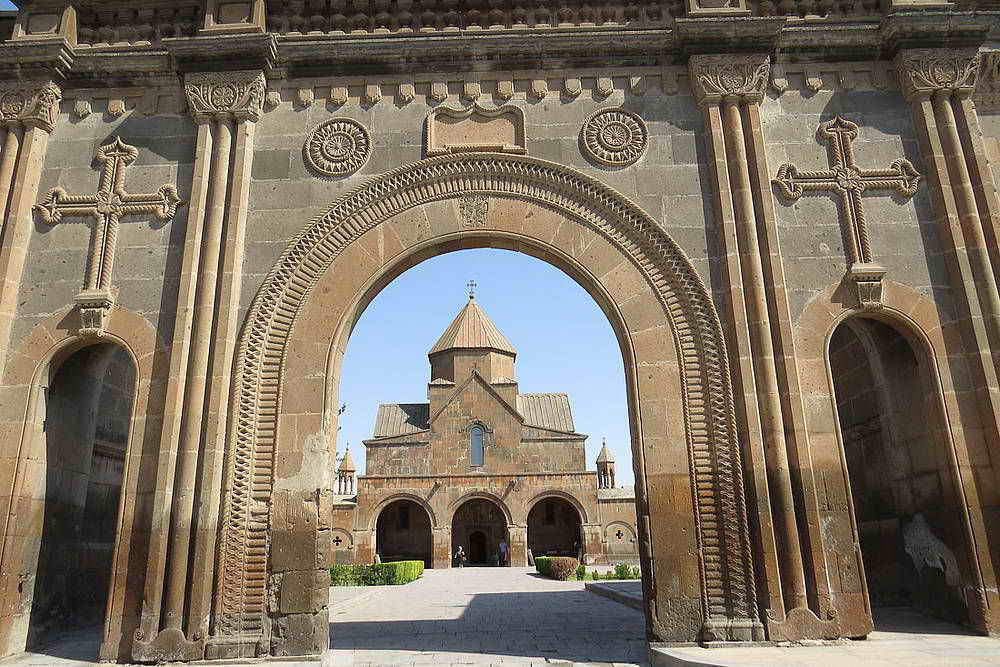
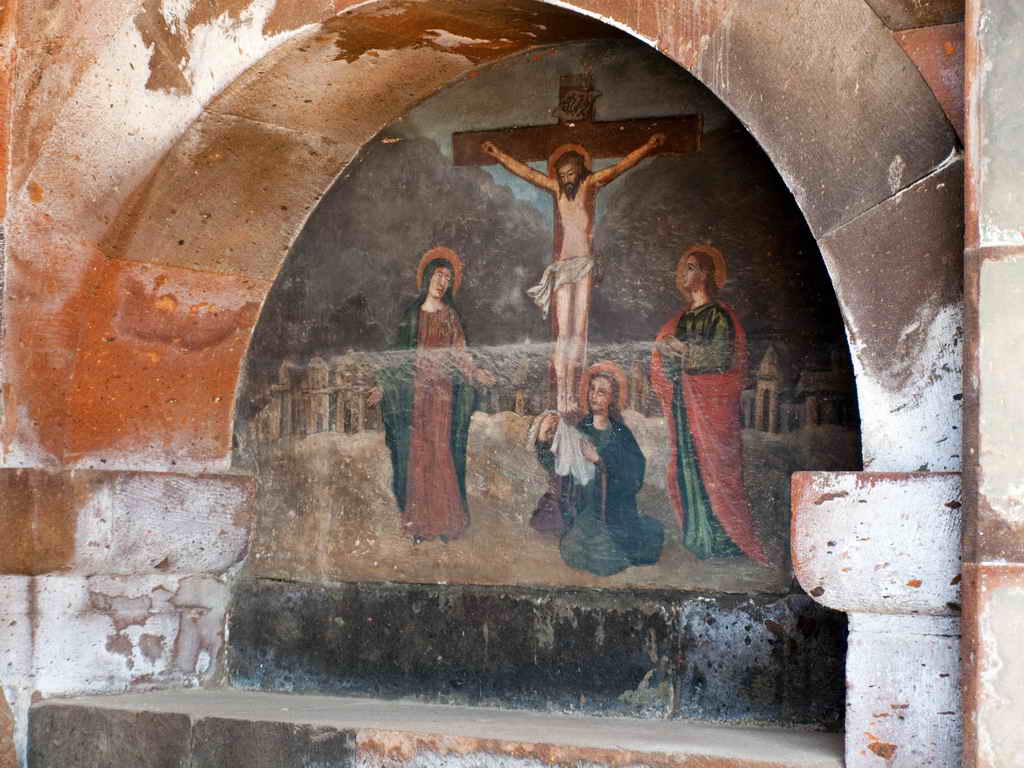
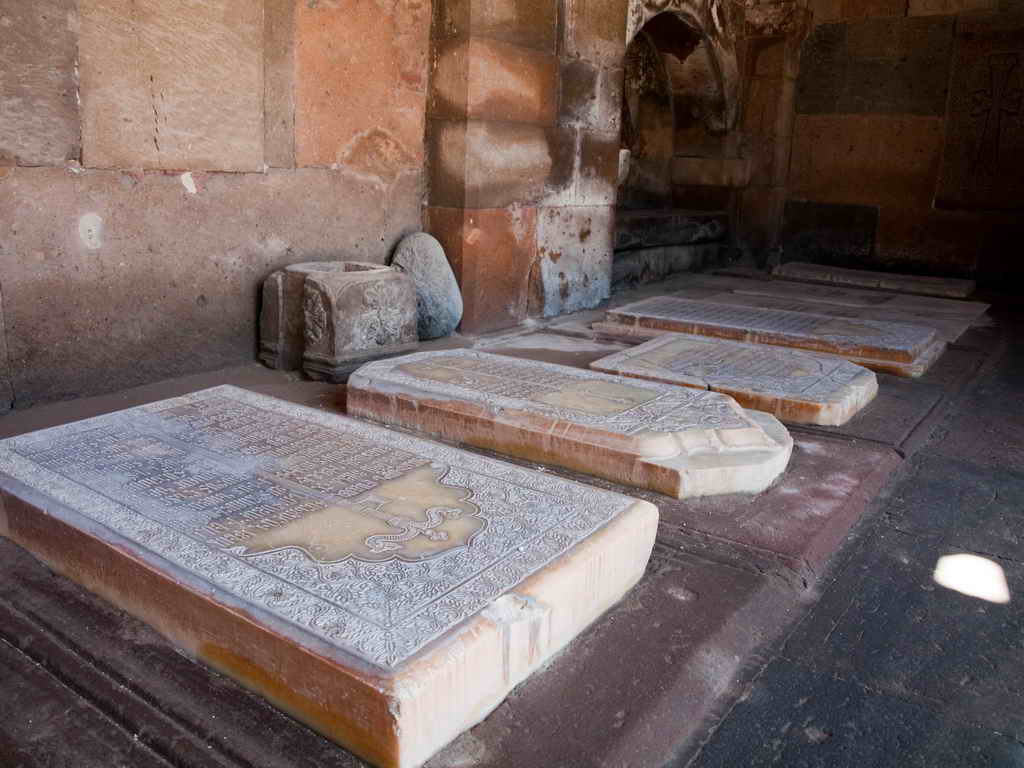
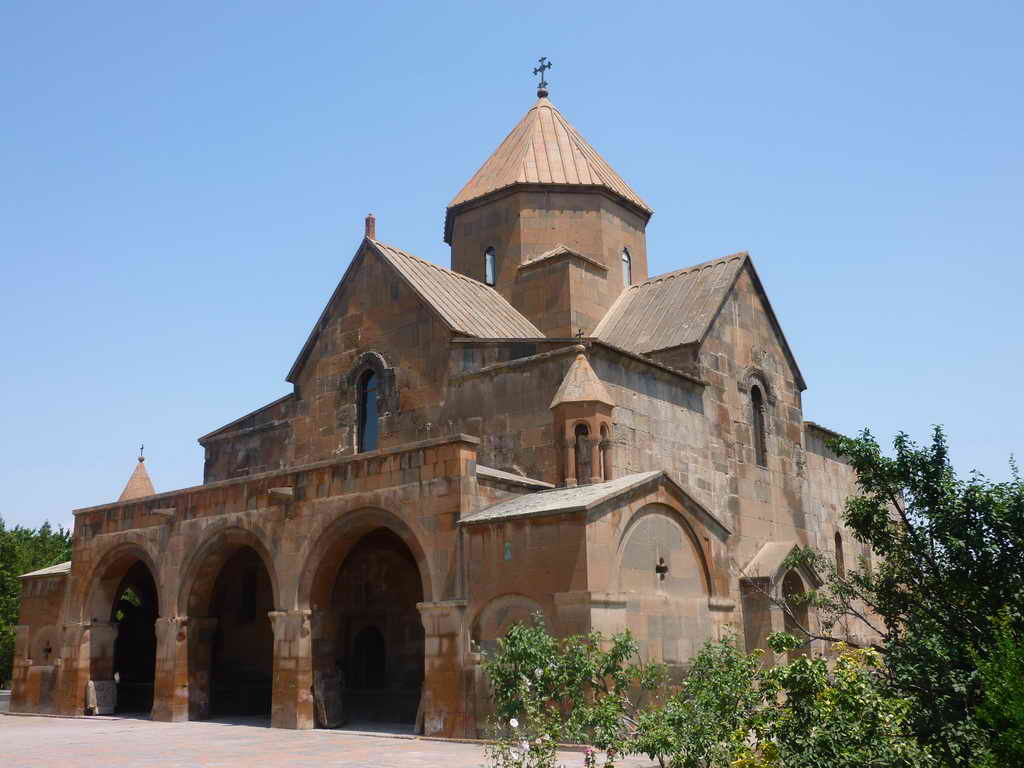
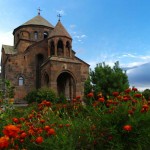
The Saint Gayane Church, located in the town of Vagharshapat, is part of the sacred complex of Etchmiadzin Cathedral. The church was built between 630 and 641 by Ezra I of Armenia on the site where Saint Gayane, the abbess of a group of Christian virgins, was martyred. According to tradition, Gayane and her companions fled from Rome to escape persecution by the Roman Emperor Diocletian. However, after arriving in Armenia they were captured by order of the pagan Armenian king Tiridates III of Armenia, who commanded that Gayane be tortured and killed for refusing to renounce her Christian faith. Architecturally, the church is one of the outstanding examples of 7th-century Armenian ecclesiastical architecture. It belongs to the type of domed basilicas and represents one of the earliest forms of a central-domed three-nave basilica, a style that was widely used in Armenia during that period. The dome, supported by four massive columns, creates a cross-shaped layout within the interior. In 1652, the church underwent major renovation, during which the ceiling was rebuilt and the dome was replaced. Later, in 1683, a gallery was added to the western façade. Since then, the arched portico of the gallery has served as a necropolis, where several high-ranking members of the Armenian clergy are buried. The gallery is crowned with elegant belfries supported by slender columns. The exterior of the church is decorated with rich ornamental carvings typical of Armenian medieval architecture. At the western entrance visitors can see a remarkable 17th-century mural depicting the Nativity of Christ, which has been preserved to this day. The relics of Saint Gayane rest near the altar apse of the church.
Since 2000, St. Gayane Church has been included in the UNESCO World Heritage List as part of the Cathedral and Churches of Echmiatsin and the Archaeological Site of Zvartnots. For the Armenian people, the church remains an important spiritual shrine symbolizing faith, devotion, and martyrdom.