Noravank monastery
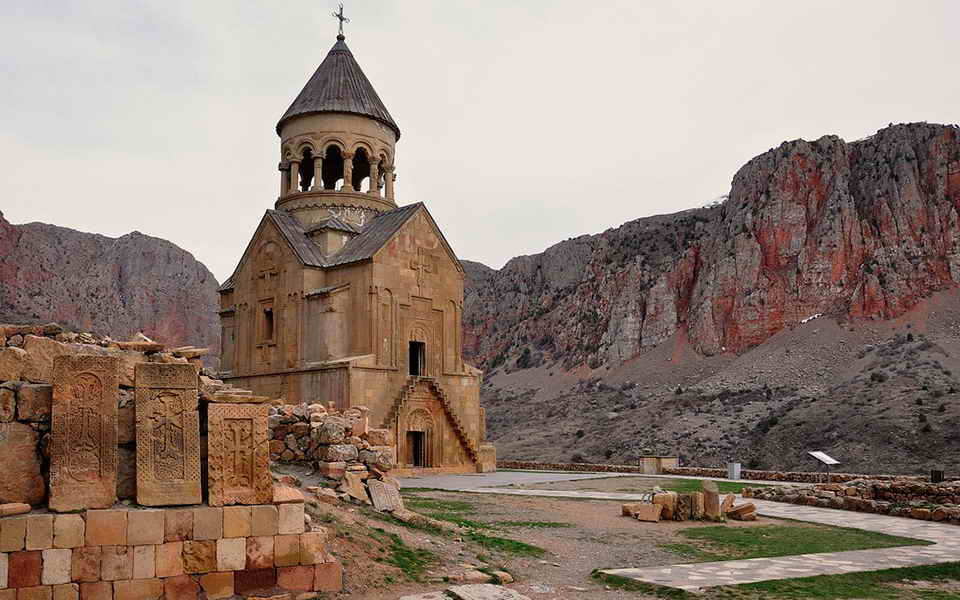
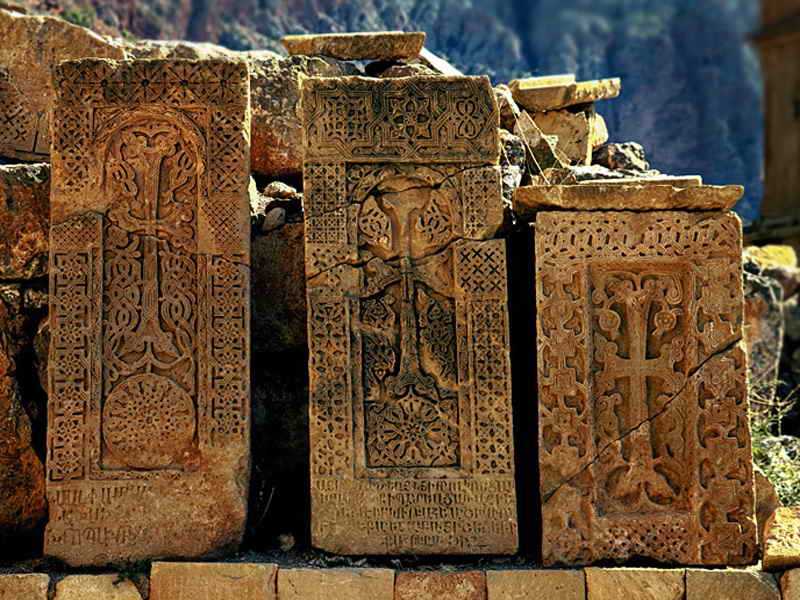
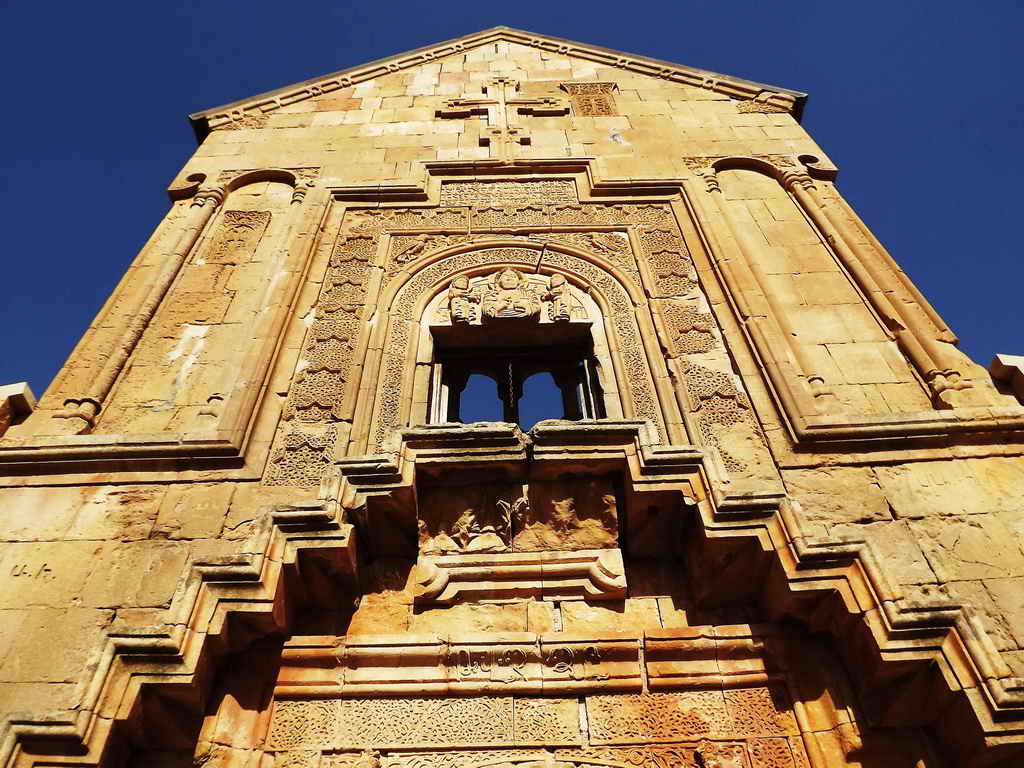
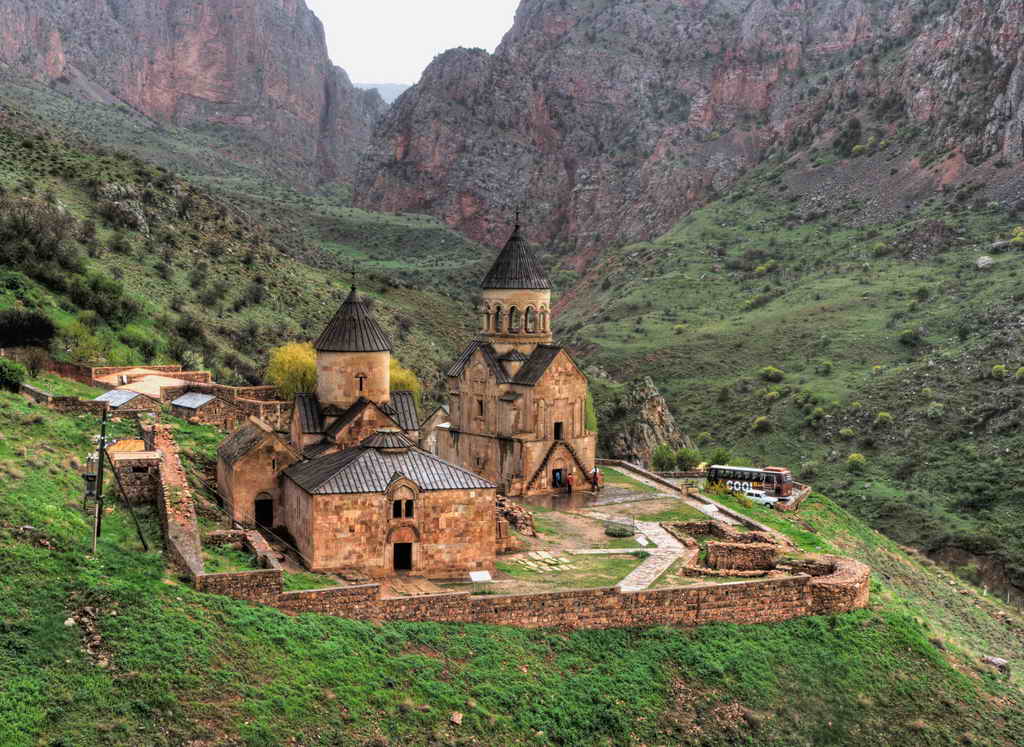
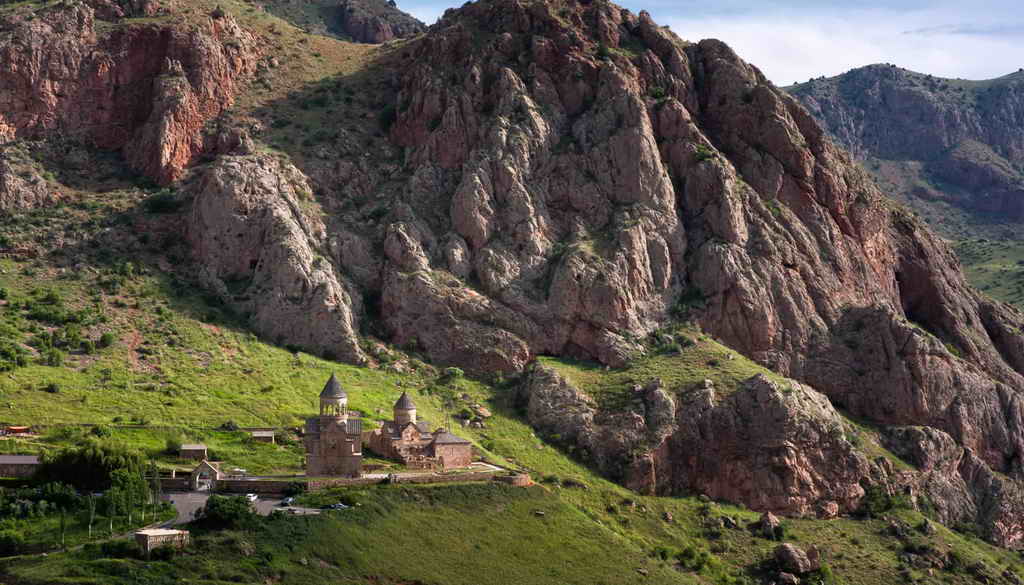
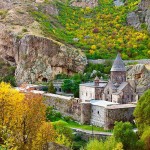
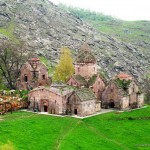
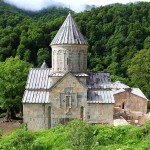
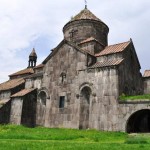
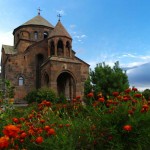
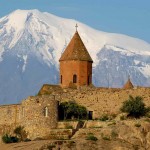
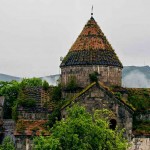
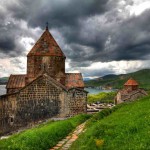
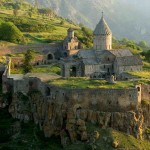
Noravank Monastery is located deep within the Noravank Canyon in Armenia. From a distance, the complex appears to be perched atop a flat rock surface, nestled against the dramatic cliffs of the surrounding mountains. The main church of the monastery, St. Karapet, was built between 1221 and 1227. In 1339, it became the regional religious center under Bishop Hovhannes. Above the church doors, a relief sculpture depicts Christ flanked by Saints Peter and Paul. According to legend, Noravank once housed a relic of the True Cross, stained with Christ’s blood, which a mysterious stranger acquired after raising a child from the dead. The monastery also features a gavit (narthex), originally built in 1261 and rebuilt in 1321 with closely fitted vaulted roofing. That same year, the renowned sculptor and architect Momik added several masterpieces to the complex. To the north of the main group stands a vaulted sepulcher by architect Stranes, while to the south is the two-storied sepulcher-church of Prince Burtel Orbelyan, also built by Momik in 1339. This structure follows the architectural style of 4th–5th century Armenian monuments. Notable features include the reliefs on the tympanum: the first circle shows the Virgin with Archangels Gabriel and Michael, and the second circle depicts Christ with Apostles Peter and Paul, along with the Orbelyan princes presenting a model of the church to the Virgin Enthroned. Even in ruins, many 13th–14th century buildings attract visitors. Among them is a remarkable khachkar carved by Momik, featuring a Deesis, now preserved in Echmiadzin, and the gravestone khachkar of Momik himself, located on the monastery grounds. Today, Noravank Monastery stands as one of Armenia’s most architecturally and historically significant monasteries, celebrated for its dramatic location, intricate carvings, and the artistry of Momik.