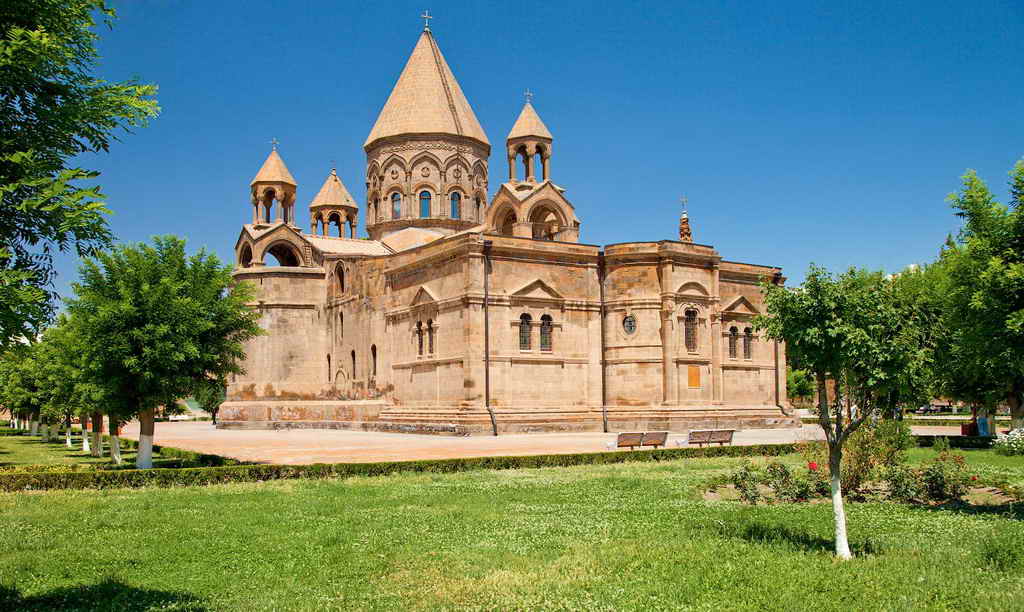
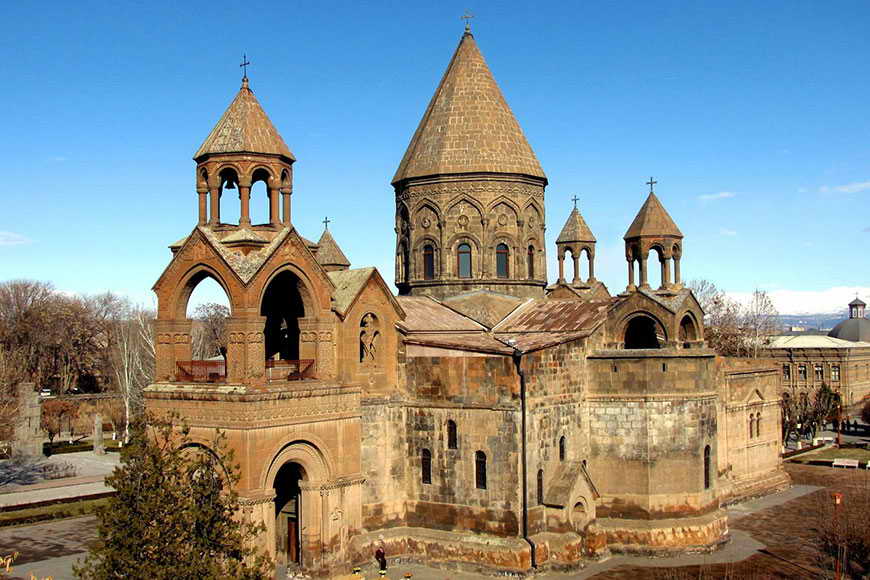
Echmiadzin Cathedral
Echmiadzin Cathedral: History and Heritage
The sacred city of Vagharshapat, historically known as Echmiadzin, was once an ancient capital of Armenia. The Echmiadzin Cathedral is the spiritual center of the Armenian Apostolic Church and one of the most important religious monuments in Armenia. The name Echmiadzin means “The Descent of the Only Begotten Son.” According to Armenian tradition, Jesus Christ appeared in a vision to Gregory the Illuminator and indicated the exact place where a church should be built.
Following Armenia’s adoption of Christianity as the state religion in 301 AD by Tiridates III of Armenia, the Echmiadzin Cathedral was constructed between 301 and 303 on the site of a former pagan temple in Vagharshapat. Armenia thus became the first country in the world to adopt Christianity as its state religion.
Today, Etchmiadzin serves as the residence of the Supreme Catholicos of All Armenians and the spiritual center of the Armenian Apostolic Church. One of the most important religious ceremonies held here is the Blessing of the Holy Chrism, which takes place every seven years and attracts thousands of pilgrims from around the world.
Architecture and History of Echmiadzin Cathedral
The present structure of the cathedral dates largely from around 480 AD, when it was rebuilt on the remains of the earlier 4th-century cruciform basilica. Only four foundation bases from the original building survived and were incorporated into the new structure to support four massive pylons.
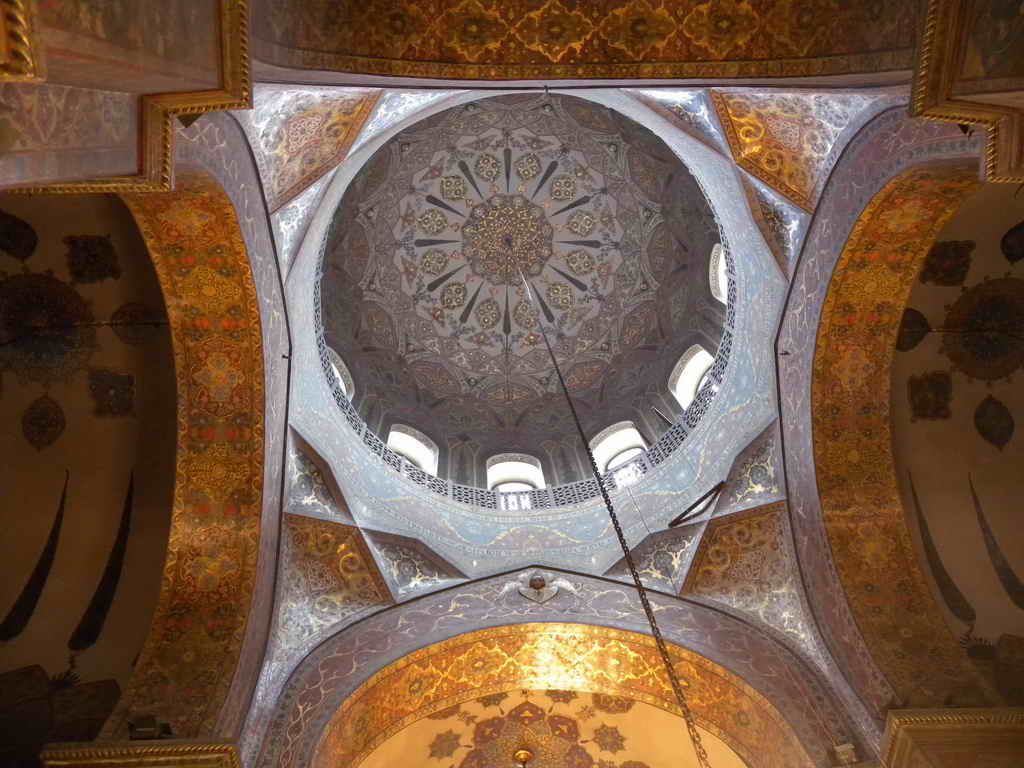
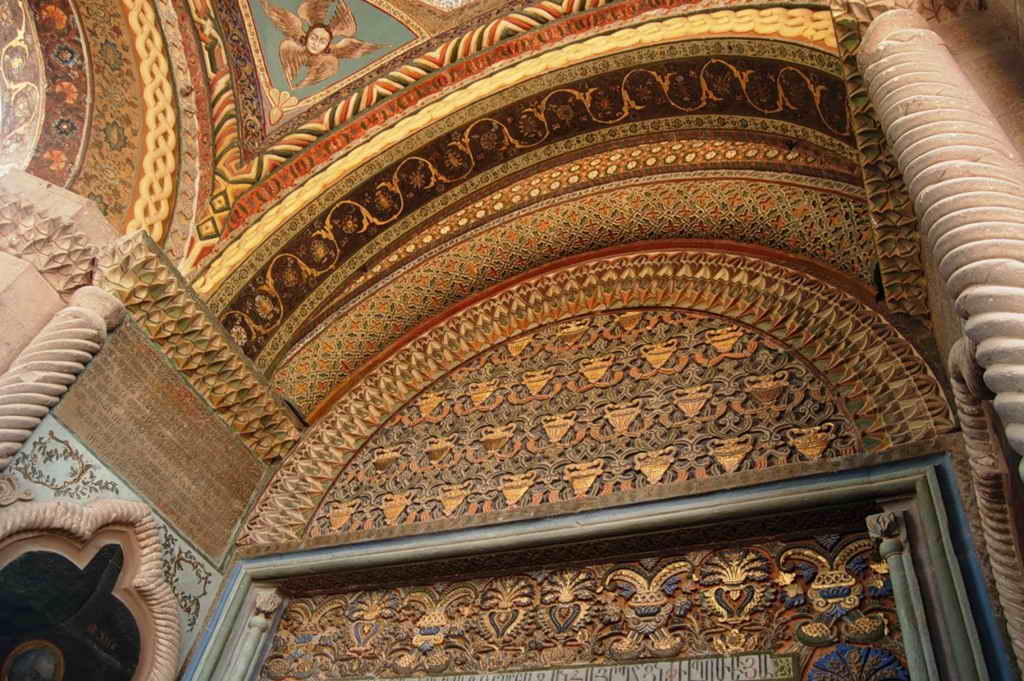
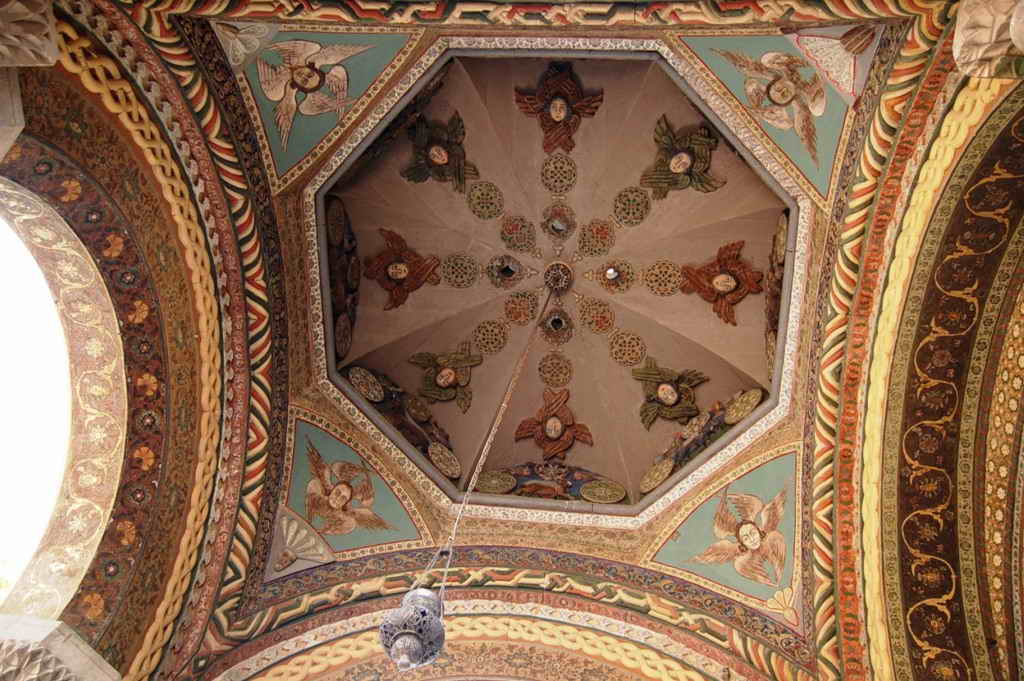
The cathedral’s dome and western bell tower, constructed between 1653 and 1658, date from the 17th century. The interior is adorned with remarkable 17th–18th century frescoes created by the renowned Hovnatanyan family of artists.
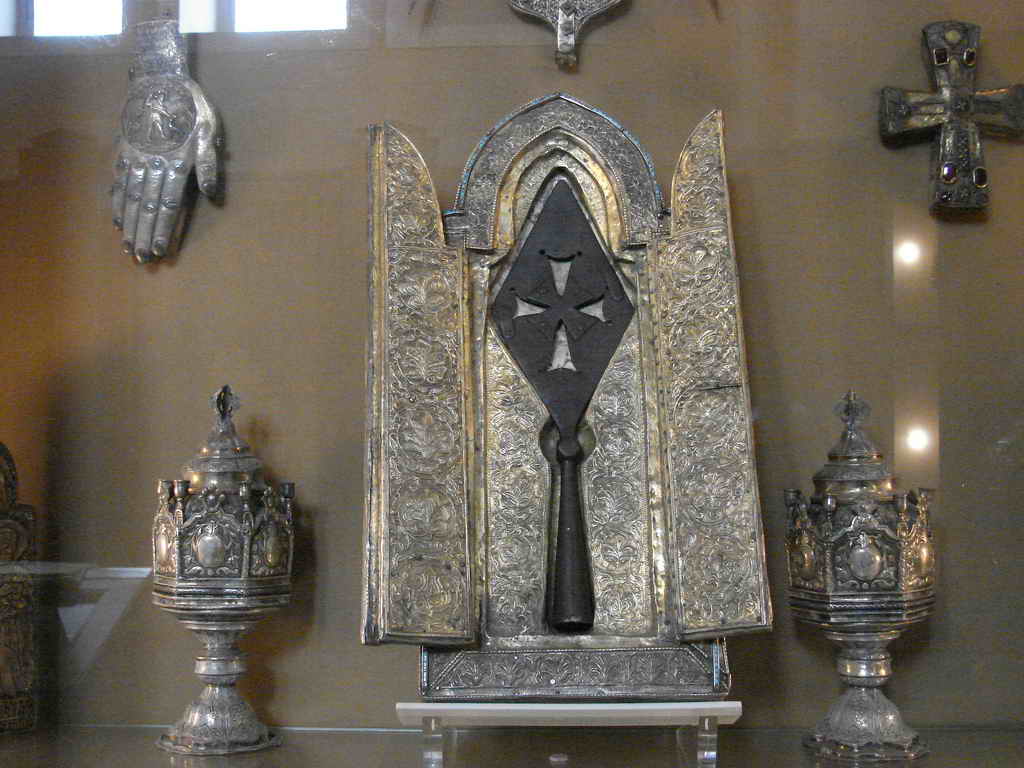
The cathedral complex also houses a museum displaying an impressive collection of ecclesiastical treasures, including reliquaries, banners, and liturgical objects dating from the 10th to the 18th centuries. Visitors interested in Armenia’s religious heritage can also explore nearby historical sites such as Zvartnots, located close to Etchmiadzin.
Echmiadzin Cathedral and UNESCO
Recognized for its outstanding historical and cultural value, Echmiadzin Cathedral is included in the UNESCO World Heritage List as part of the Cathedral and Churches of Echmiatsin and the Archaeological Site of Zvartnots.