Gndevank monastery
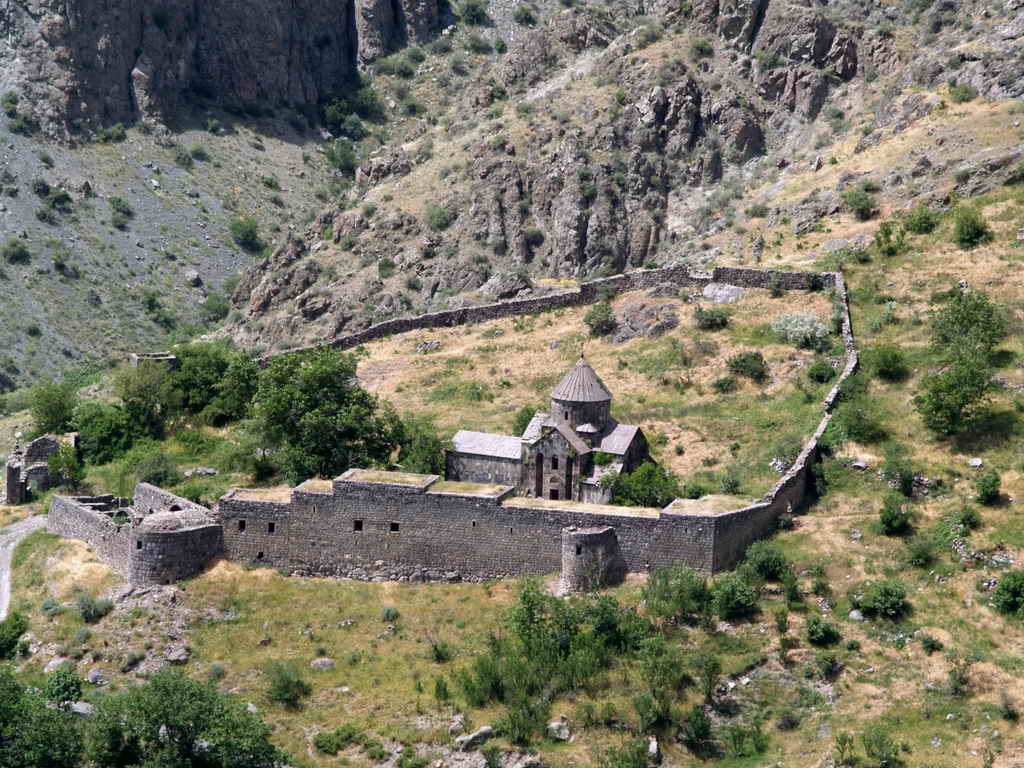
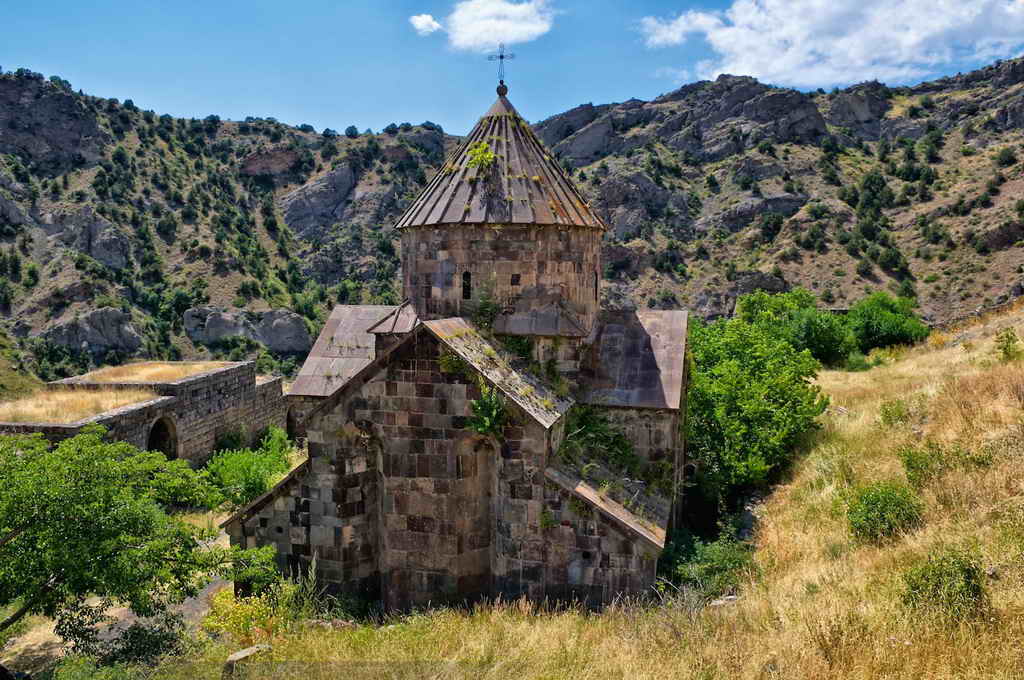
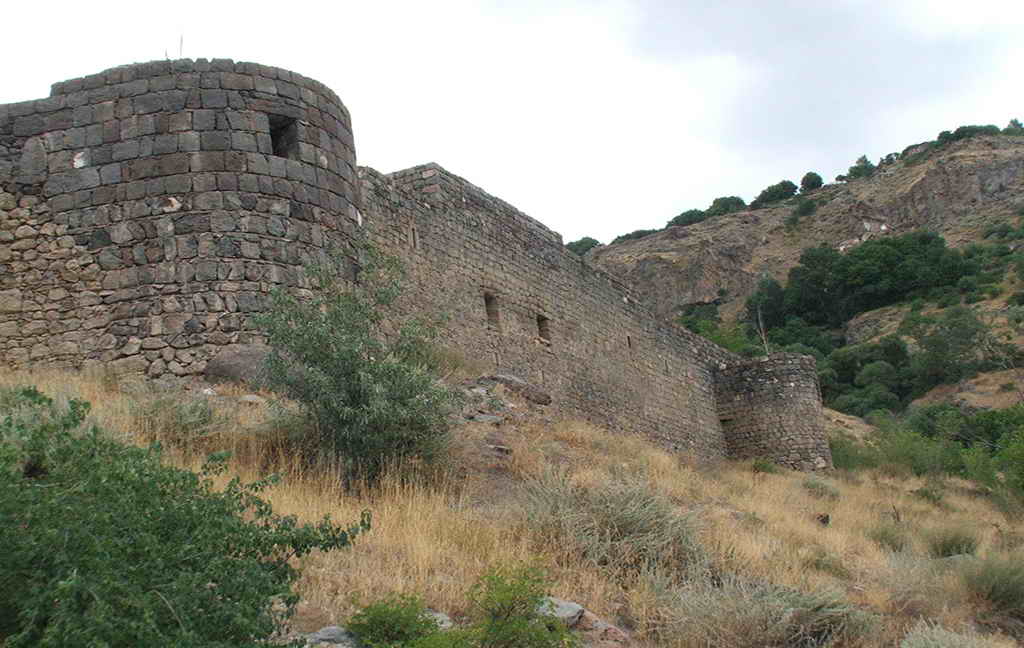
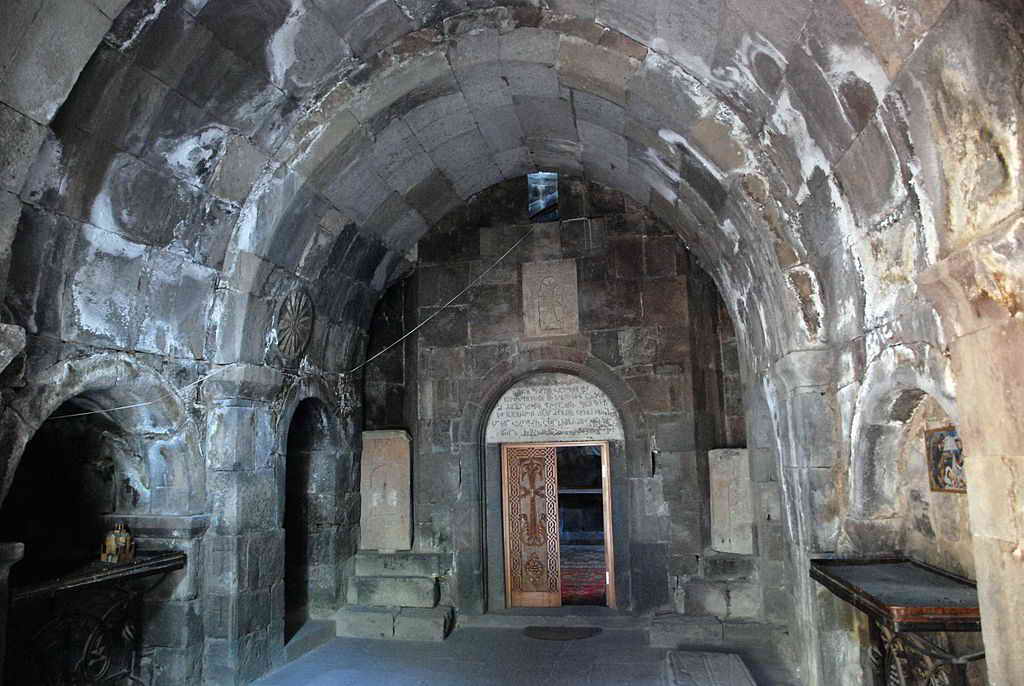
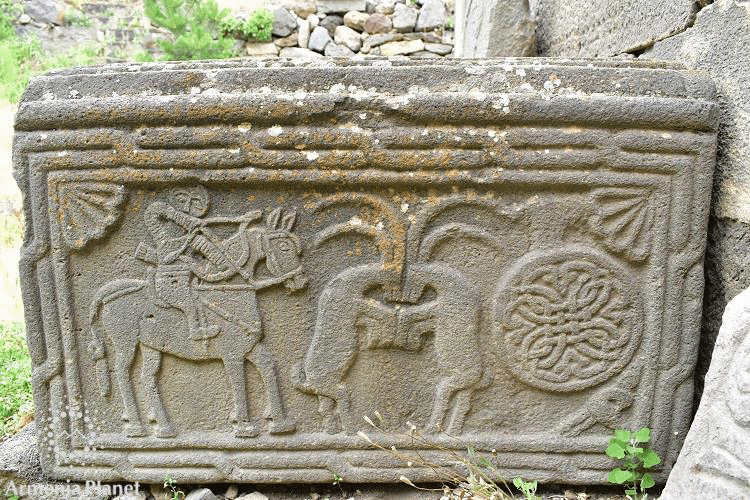
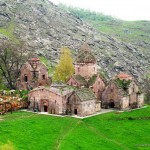
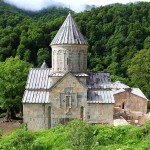
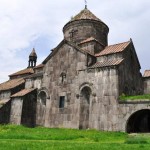
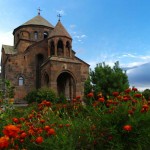
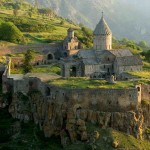
Gndevank Monastery is located in the canyon of the Arpa River, near the village of Gndevaz in the Vayots Dzor region of Armenia. The monastery was founded in the 10th century by Princess Sophia of Syunik. According to legend, the site was inspired by the ravens of the gorge, and the monastery’s name is associated with one of them, Supana Gnduni. The construction was overseen by Priest Egishe, a renowned artist of the time. The main church, Surb Stepanos, built between 931 and 936 from pure basalt, is a classic example of a cross-domed structure. Its interior walls are adorned with frescoes, including a surviving fragment depicting Christ. The inner side of the dome features high relief carvings symbolizing the four evangelists. In 999, a western addition was built by the parish priest Christopher, one of the oldest structures of this type still preserved. In 1604, the monastery was destroyed by Persian Shah Abbas, but it was rebuilt in 1691 under the initiative of the abbot Vardapet Petros. During this reconstruction, the monastery was surrounded by high protective walls, along which residential and utility buildings were added. It was likely during this period that a fresco of Our Lady was painted on the northern side-altar, now considered one of the masterpieces of late medieval Armenian art. The monastery grounds are also home to numerous khachkars (stone cross-stones) and tombstones, dating from the 10th to 14th centuries. Extensive restoration work was carried out from the 1960s to the 1970s, preserving the monastery as an important spiritual, cultural, and architectural landmark. Gndevank Monastery today offers visitors a chance to experience medieval Armenian art and architecture, set against the dramatic backdrop of the Arpa River canyon, making it a must-visit destination for those exploring Vayots Dzor.