Kobayr monastery
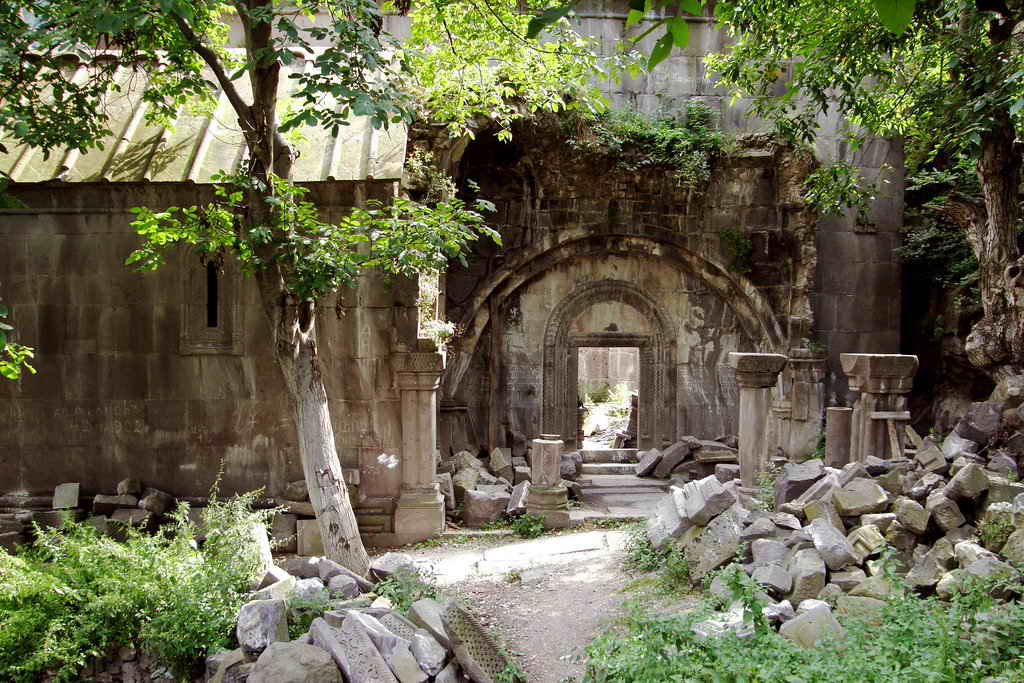
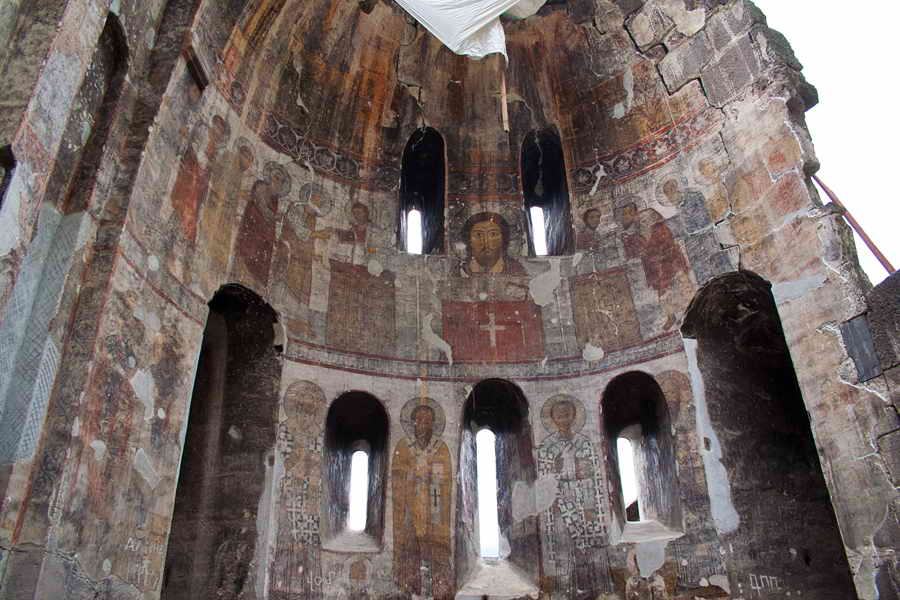
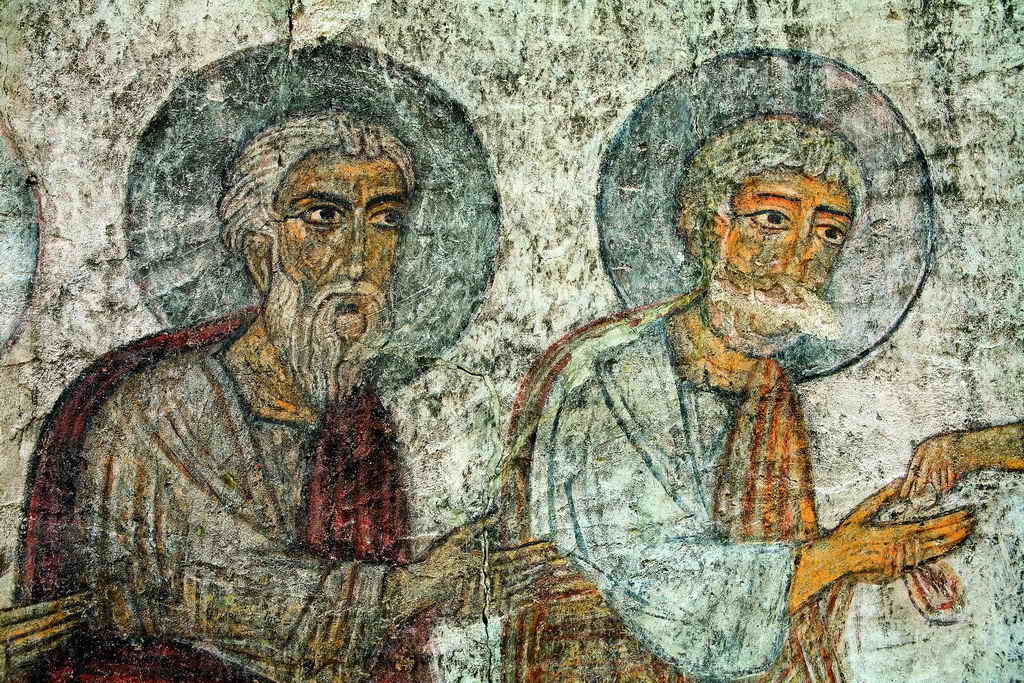
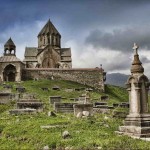
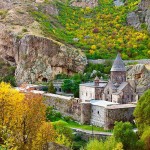
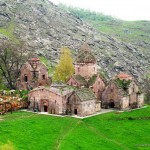
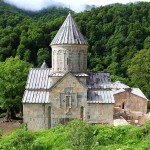
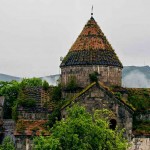
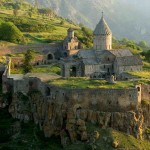
Kobayr Monastery, built in the 12th–13th centuries, is perched on the slope of the Debed Gorge in Lori Province, Armenia. Its name reflects its origins: Kob means “cave” in Georgian, and Ayr means “cave” in Armenian. In the Middle Ages, Kobayr was an important cultural and correspondence center, playing a key role in Armenian spiritual and intellectual life. The main complex consists of three churches, a bell tower-tomb, a refectory, chapels, khachkars, and the ruins of a fortress wall. The Church of Mariamashen, located on the eastern edge of the cliff, was built in 1171 by the daughter of King Kyurike II, adding a remarkable architectural feature to the monastery. The western entrance of the refectory is simple and unadorned, highlighting the elegance of the complex. The bell tower-tomb, constructed in 1279, stands near the main church and contributes to the monastery’s distinctive silhouette. The site is especially renowned for its frescos and detailed ornaments, which showcase the artistic mastery of medieval Armenian craftsmen. According to legend, the heroine of the famous Armenian poem “Anush and Saro” by Hovhannes Tumanyan was thrown from a window of Kobayr Church into the Debed Gorge, adding a dramatic story to the monastery’s history. With its combination of architectural beauty and surrounding scenic landscapes, Kobayr Monastery creates a harmonious and breathtaking panorama. Restoration works began in 2006, giving the monastery a renewed architectural life. Today, Kobayr is considered a must-visit site in Armenia, leaving visitors impressed with its unique charm and timeless beauty.