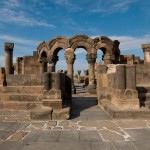
Makaravank monastery
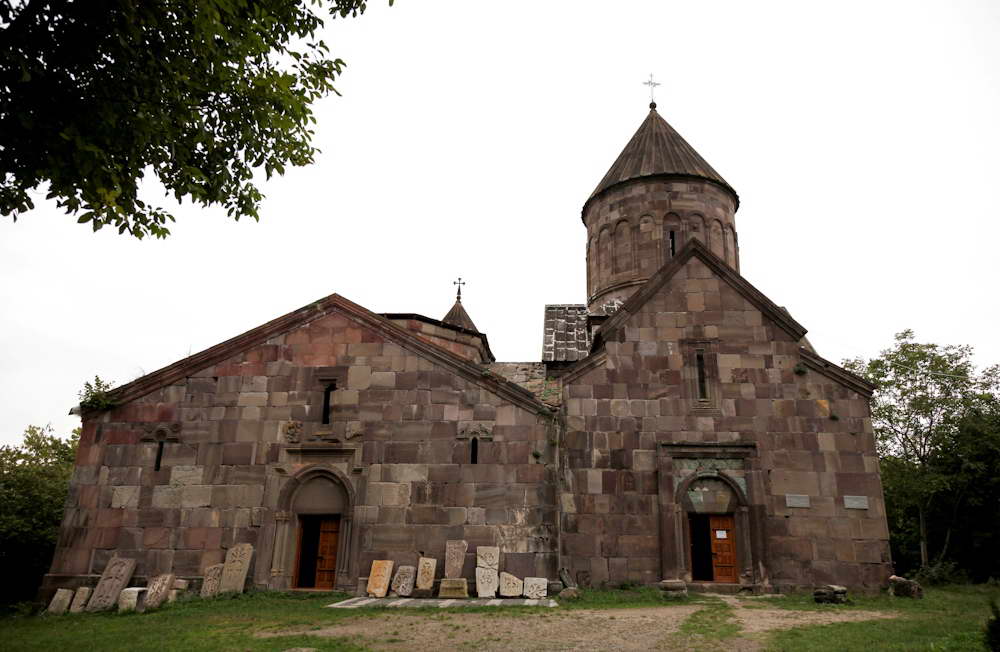
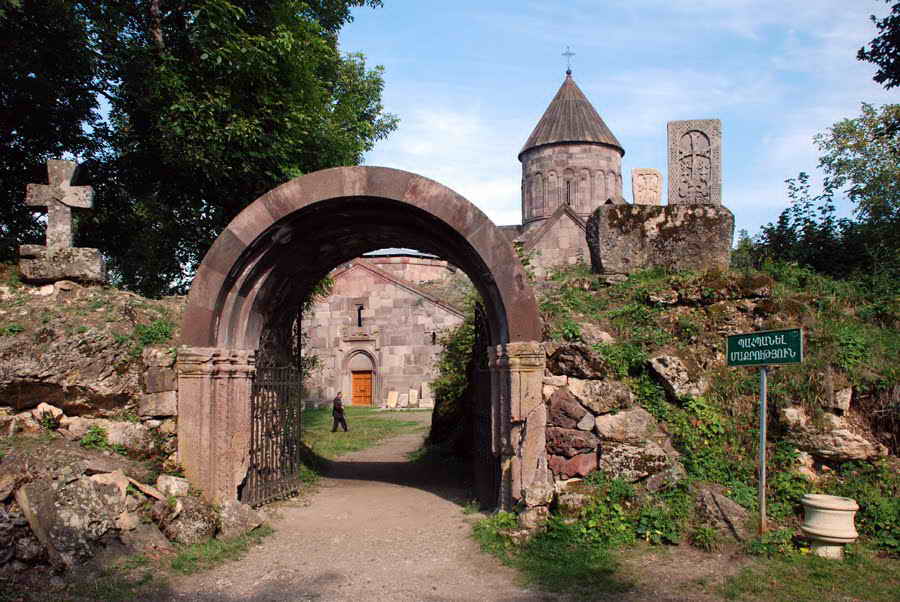
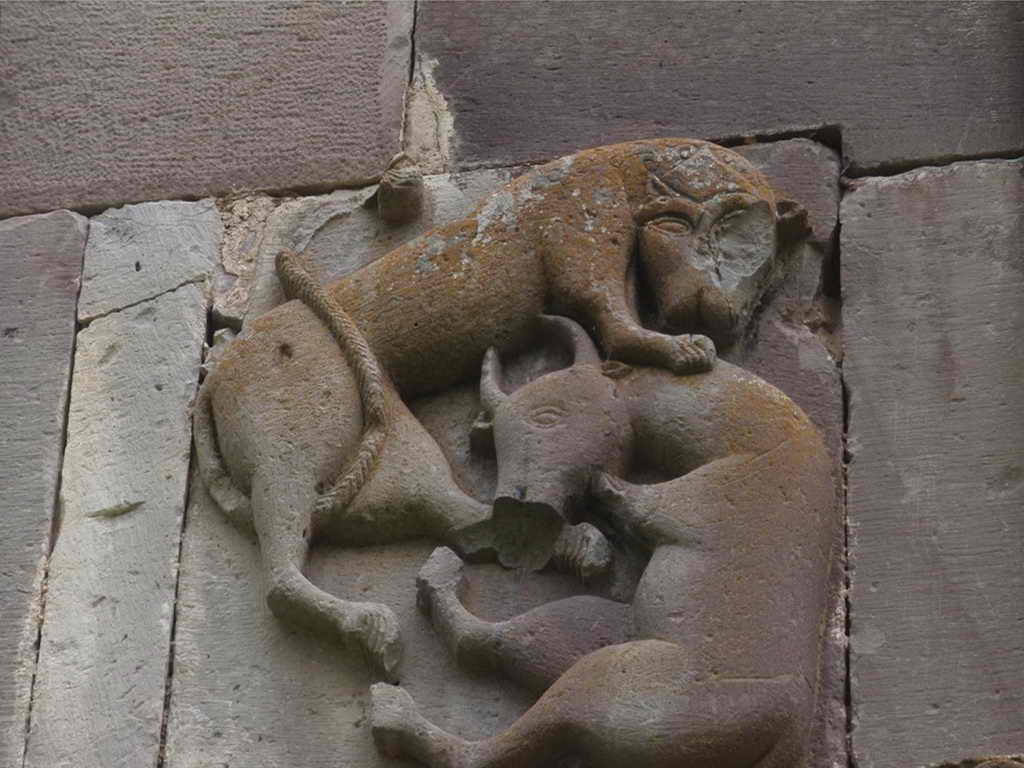
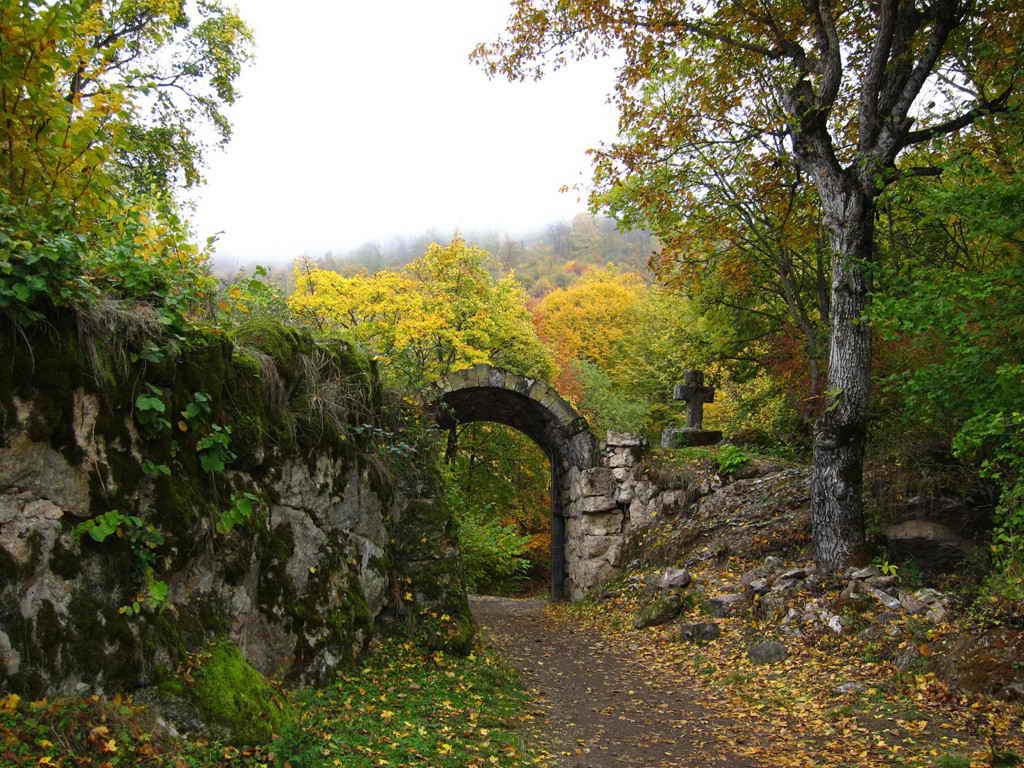
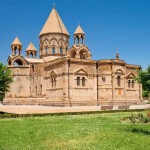
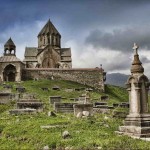
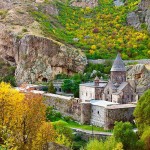
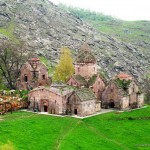
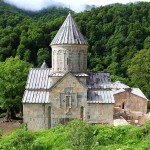
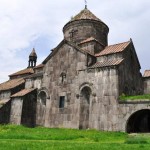
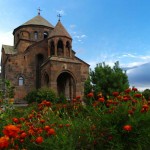
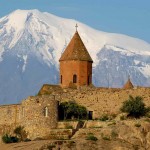
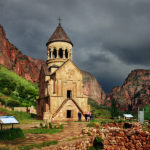
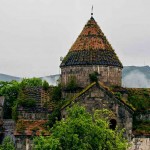
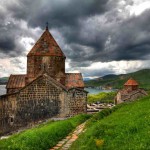
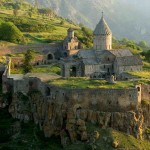
Makaravank Monastery is perched high on a mountain in the Tavush region, near Ijevan, offering stunning views of the surrounding landscapes. The complex consists of three churches and is renowned not only for its complex architectural solutions but also for the subtle bas-reliefs and intricate ornaments that adorn the walls. The monastery holds an important place in Armenian architectural heritage, ranking alongside Akhtamar, Bgheno Noravank, and Gandzasar due to the originality and richness of its decorative elements. A well-known legend surrounds the monastery’s construction. It is said that Master Makar and his son built Makaravank together. The son polished and decorated the stones while Makar built the walls. As the walls rose, Makar continued working atop the structure. One day, he noticed the stones and ornaments were no longer aligned perfectly. Learning that his son had fallen ill and died, the grief-stricken master threw himself from the top of the monastery. He was buried under the wall, and the monastery was thereafter named Makaravank, in his honor. According to an inscription on a khachkar located to the south, the main church of the complex was built in 1205. The second church, dating from the 10th–11th centuries, is located in the northeast of the complex. Today, Makaravank Monastery is celebrated not only for its artistic and architectural significance but also for the legend and history that give the site a uniquely emotional and spiritual atmosphere.