Yereruyk church
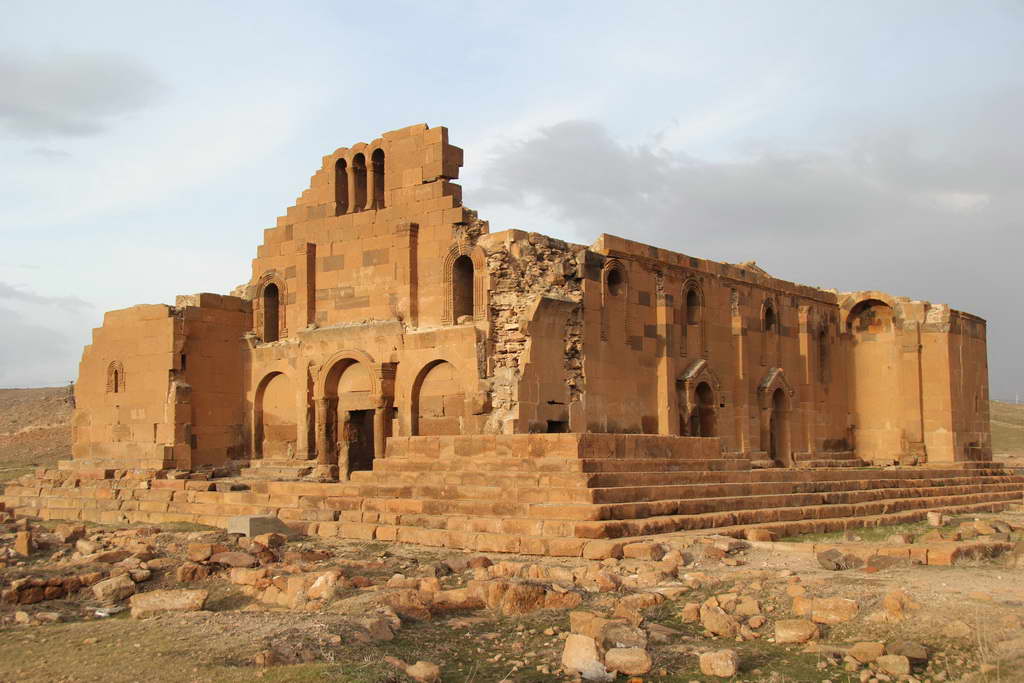
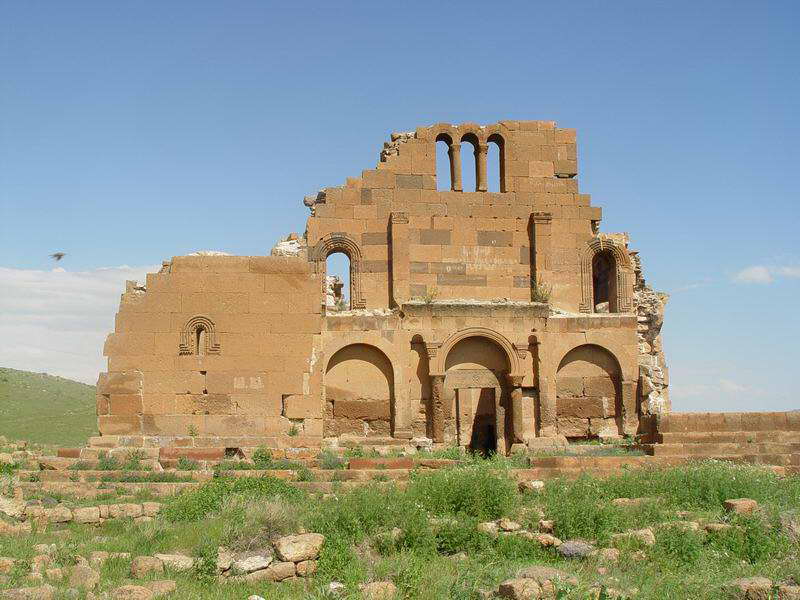
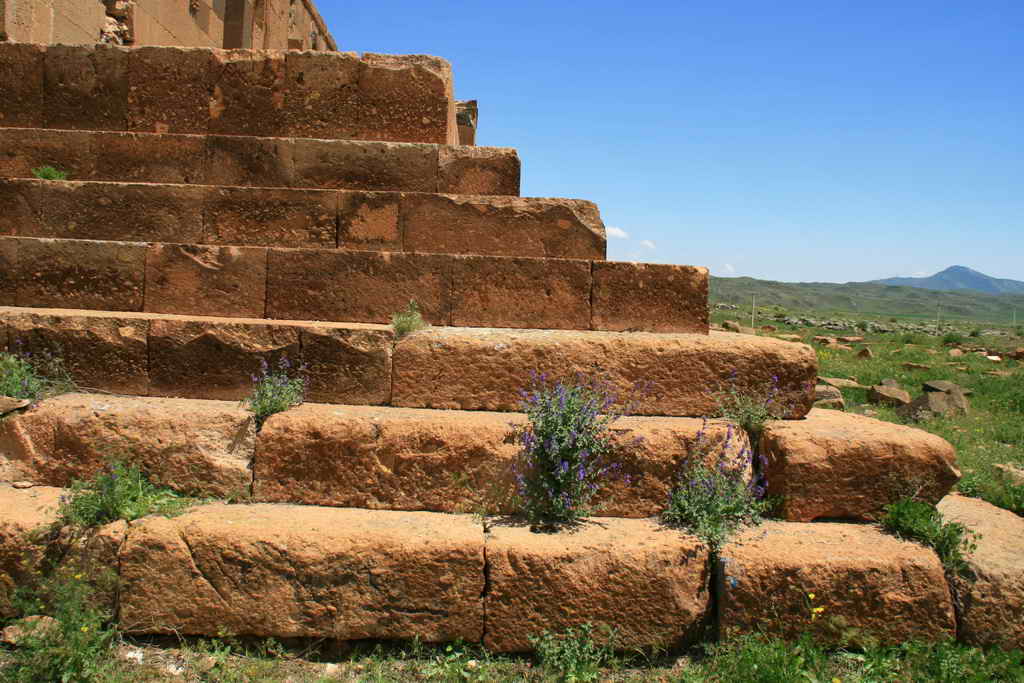
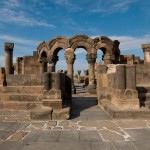
Yereruyk Basilica, dating back to the 5th century, has remained largely unchanged over the centuries. The only significant modification known today is the reconstruction of the western gallery, which took place in ancient times. The basilica is a three-nave structure built on a six-stepped stylobate, a raised platform that gives the monument a monumental appearance. Architecturally, the church represents an important stage in the development of early Armenian basilica design, marking a transition from earlier and simpler religious buildings to more complex architectural compositions. The exterior walls of the basilica have survived almost completely along the entire perimeter, reaching nearly to the level of the cornice. Particularly noteworthy is the southern facade of the church, distinguished by two large and carefully designed porticoes, which once served as ceremonial entrances. In the past, colonnaded galleries extended along the southern, northern, and western facades of the building, but these structures have not survived to the present day. Researchers believe that the central nave was originally covered with a wooden ceiling, while the side naves, which are vaulted, were roofed with stone construction. Despite the loss of some architectural elements, Yereruyk Basilica remains one of the most remarkable examples of early Christian architecture in Armenia.