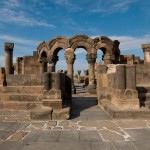
Geghard monastery
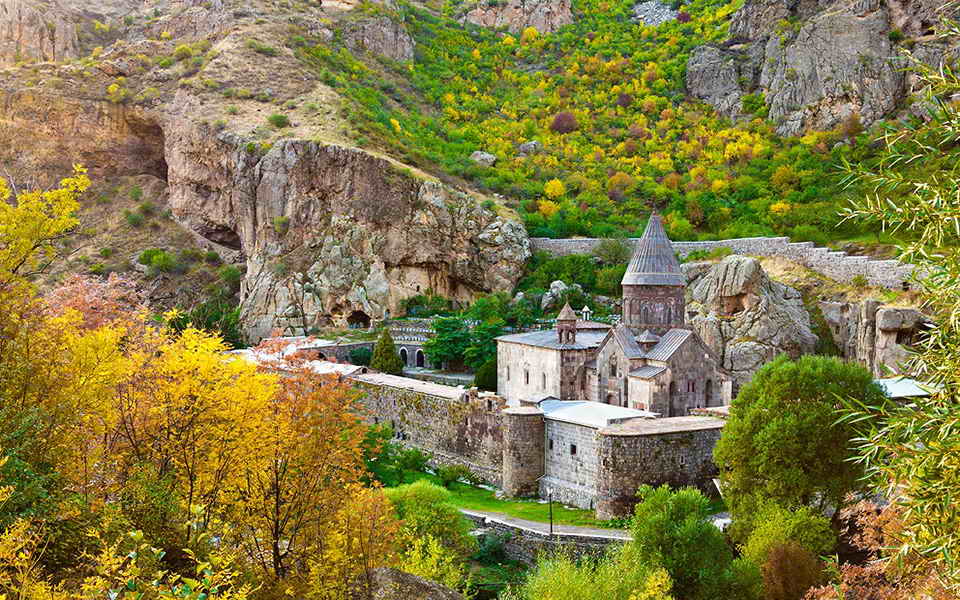
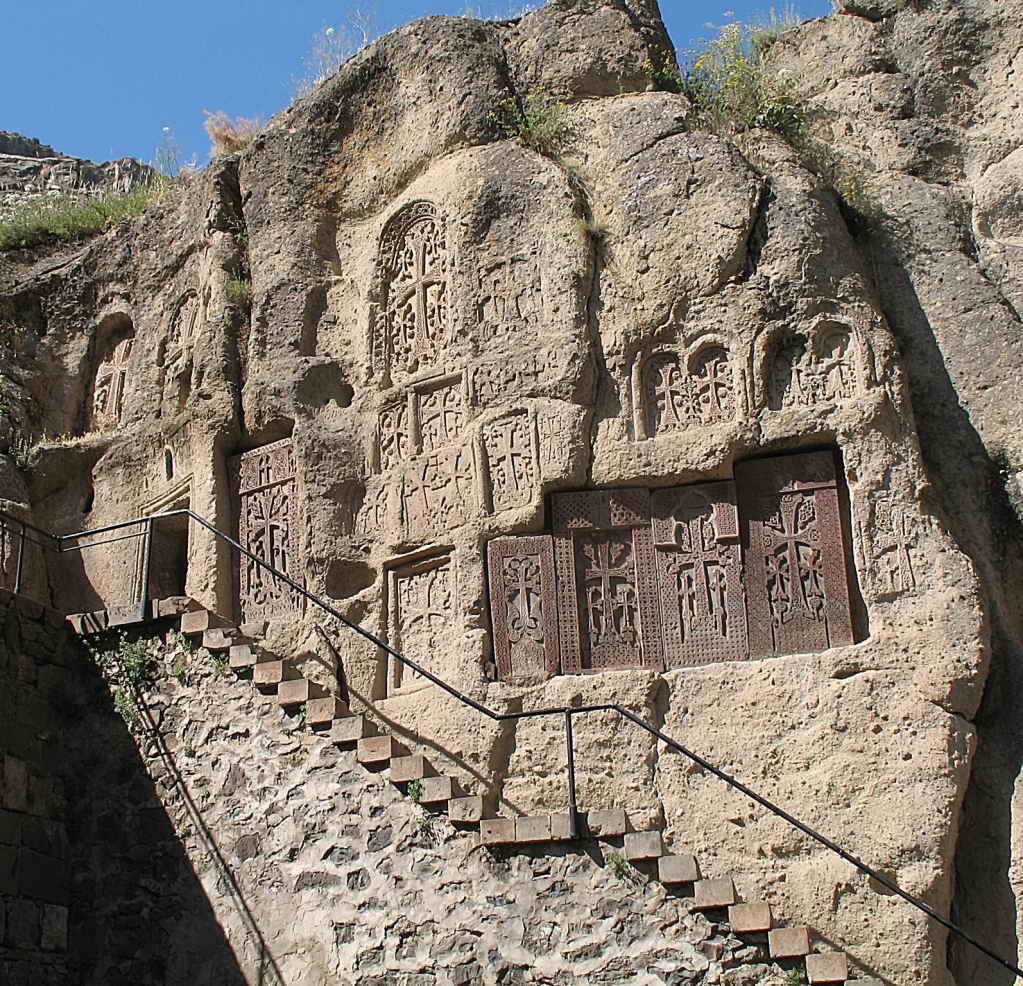
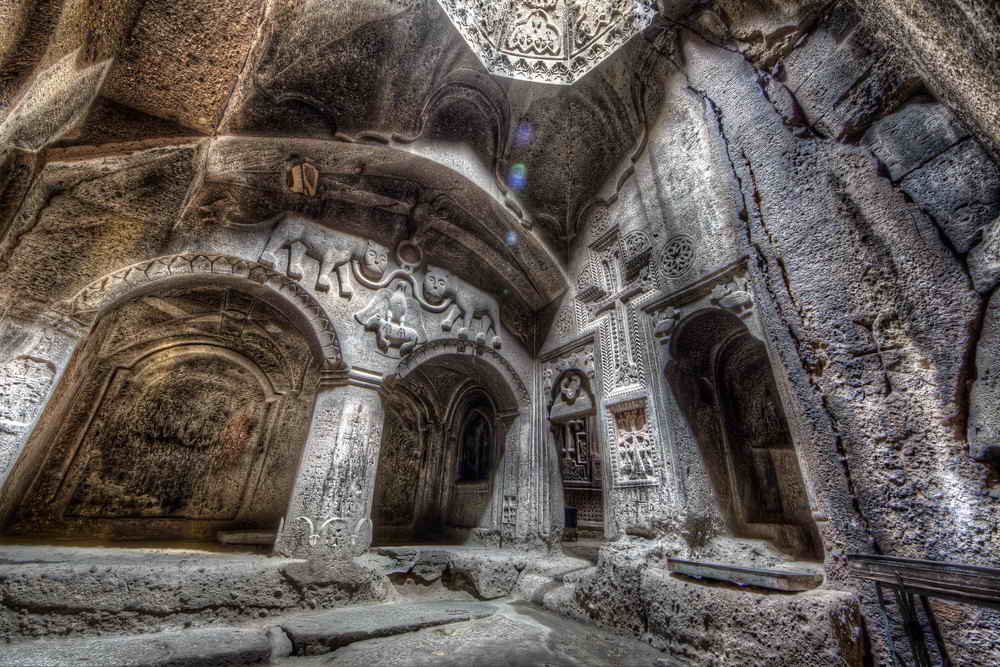
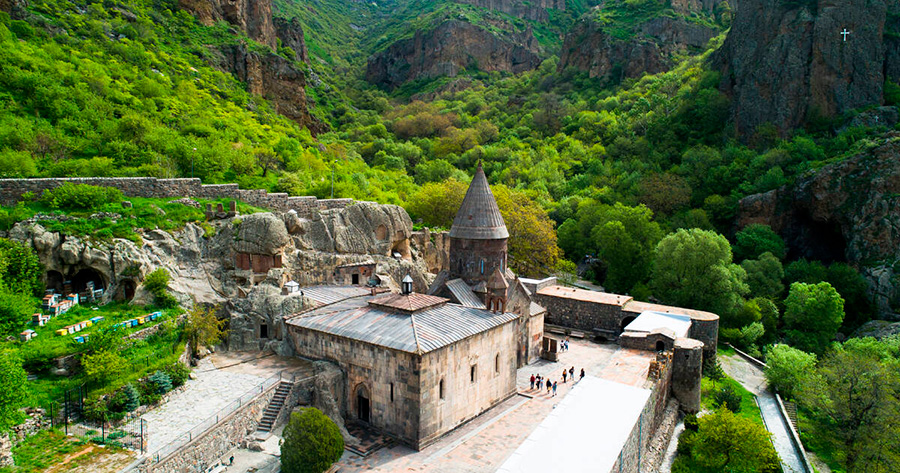
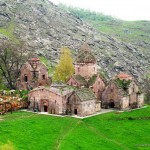
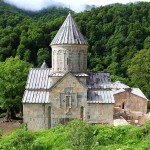
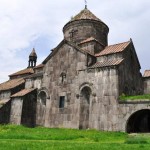
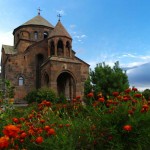
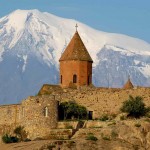
The remarkable Geghard Monastery is located about 6 km from the Garni Temple and is revered as one of Armenia’s most important spiritual and cultural landmarks. Originally known as Ayrivank, meaning “Monastery of the Caves,” the site has a history that dates back to pre-Christian times. Most of the present buildings were constructed between the 10th and 13th centuries, when the monastery received its current name, Geghard, meaning “spear” or “lance” in Armenian. The name refers to the Holy Lance, the spear used by a Roman soldier to pierce the side of Jesus Christ during the Crucifixion. For centuries this sacred relic was kept at the monastery before being moved to the treasury museum of Etchmiadzin Cathedral. Geghard is famous for its unique rock-cut architecture. Much of the complex has been carved directly into the surrounding mountain rock, creating a remarkable blend of architecture and nature. The main church, Saint Katoghike, was built in 1215, and together with its impressive gavit (vestibule) and several rock-hewn chapels, forms the heart of the monastic ensemble. The monastery is also known for its intricate stone carvings, a natural spring flowing inside the complex, and numerous khachkars (Armenian cross-stones). Despite centuries of invasions and natural challenges, the monastery has remained an enduring symbol of Armenia’s faith and artistic heritage.
Today, Geghard Monastery, a UNESCO World Heritage List, attracts visitors from around the world who come to admire its extraordinary architecture, sacred history, and breathtaking mountain surroundings.