Amaras monastery
Amaras Monastery: History and Heritage
According to the testimonies of Armenian historians, Amaras Monastery has been an important religious and cultural center since the 4th century. It is believed that the first church at this site was founded by Gregory the Illuminator, the patron saint who played a key role in spreading Christianity in Armenia. In the 5th century, the creator of the Armenian alphabet, Mesrop Mashtots, established one of the earliest Armenian schools at the monastery, turning it into a significant center of learning and education.
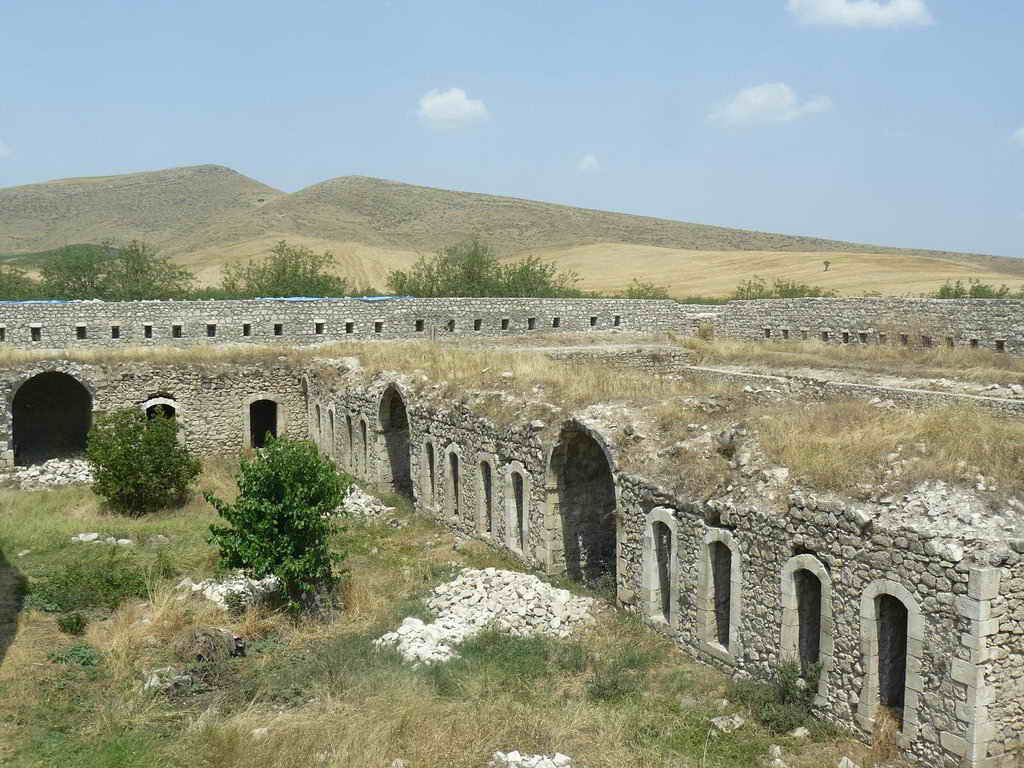
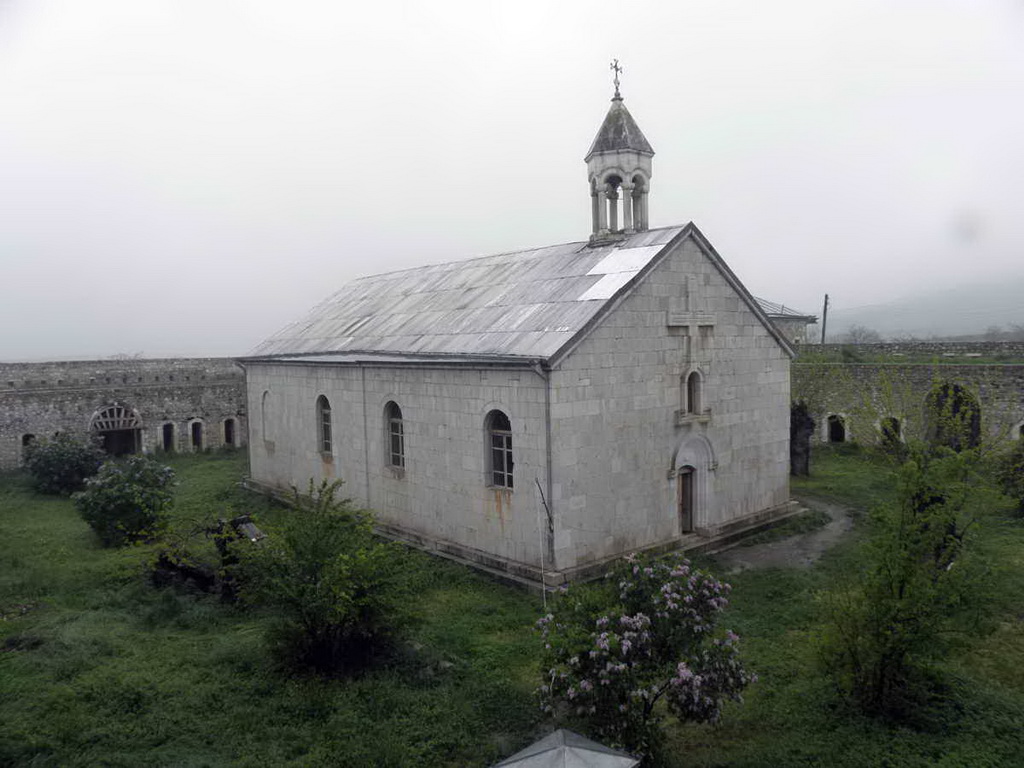
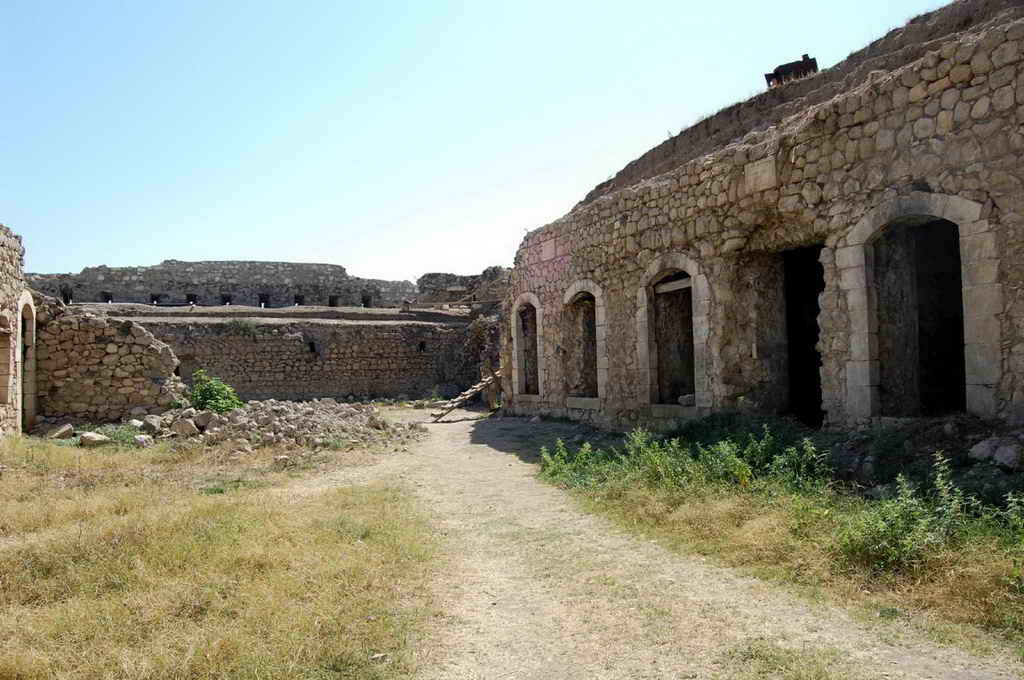
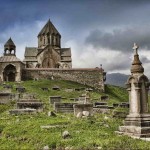
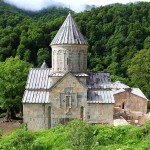
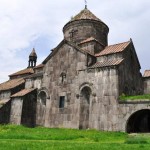
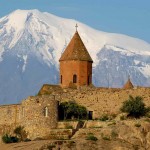
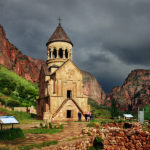
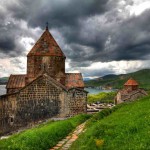
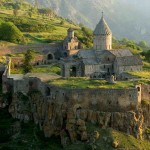
The monastery church, built of carefully cut white limestone, is surrounded by strong defensive walls that once protected the complex. The simple and solid architecture of the monastery reflects the character of early Armenian religious buildings. One of the most remarkable features of Amaras is its historical connection with the development of Armenian writing and education. The monastery became an important place where religious teaching and the study of the Armenian language could flourish.
The educational tradition associated with Mesrop Mashtots gives Amaras a special place in Armenian history. The establishment of a school here helped strengthen the use of the Armenian alphabet and supported the development of Armenian literature and religious texts. For this reason, Amaras is significant not only as a monastery but also as a historical center connected with the cultural development of the Armenian people.
Throughout its long history, the monastery was repeatedly destroyed during invasions, yet each time it was restored and rebuilt, continuing its role as an important spiritual and historical monument. The fortified character of the complex reflects the difficult periods that many Armenian monasteries experienced throughout the centuries. Despite these challenges, Amaras preserved its religious and cultural importance and remained a place of worship and remembrance.
Today, Amaras Monastery remains a symbol of Armenia’s rich religious heritage and an important site connected with the early development of Armenian education and culture. Its long history, traditional architecture, defensive walls, and connection with Mesrop Mashtots make it a notable destination for travelers exploring Armenia’s historical landmarks.
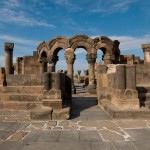
The monastery also offers visitors an opportunity to experience a quieter side of Armenia, away from the country’s larger tourist centers. Its historical atmosphere and connection with early Armenian Christianity make a visit especially interesting for those who want to learn more about the origins of Armenian culture and written language. Visitors interested in Armenia’s medieval religious heritage can also explore Zvartnots Temple and Echmiadzin Cathedral, two other important sites connected with the country’s Christian history and cultural heritage.