Dadivank monastery
Dadivank Monastery: History and Architecture
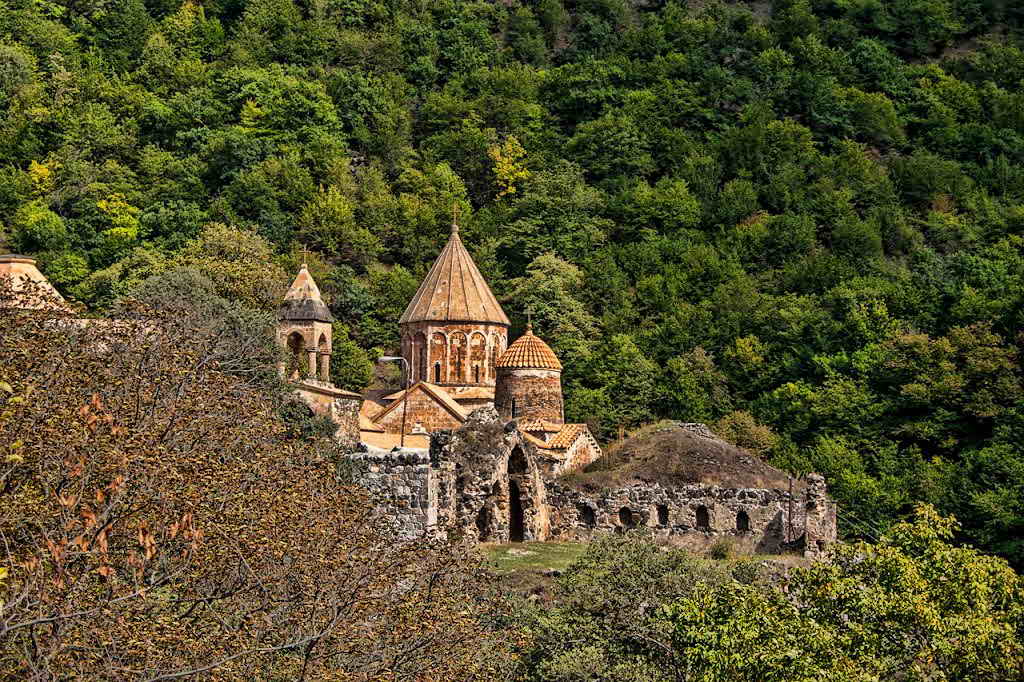
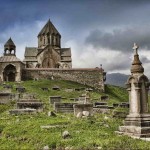
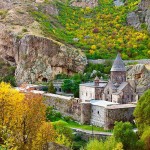
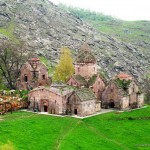
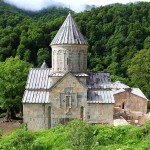
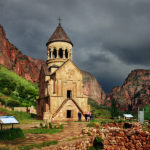
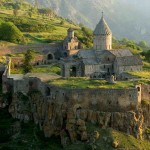
The historic Dadivank Monastery is located in Nagorno-Karabakh, at an altitude of about 1100 meters above sea level, on the southern slope of a forested mountain. The monastery is surrounded by picturesque natural scenery, with wooded hills, deep valleys, and rocky slopes creating a peaceful and impressive setting for the complex. Small ravines border the slope from the east and west, joining together lower down and forming a natural amphitheater around the monastery.
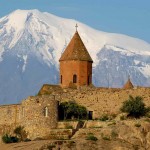
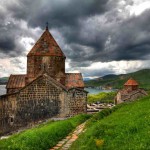
In addition to the main monastic ensemble, several small chapels can be found on the surrounding hills. The monastery is carefully positioned so that the view from almost every point — both inside and outside the complex — offers breathtaking panoramas of the surrounding landscape. The combination of historic buildings and dramatic mountain scenery makes Dadivank particularly distinctive among the region’s medieval religious monuments. The surrounding landscapes also reflect the natural beauty found throughout Armenia, from forested valleys and mountain lakes to spectacular Armenian waterfalls.
According to historical chronicles, Dadivank was founded in the 1st century AD on the burial site of Dadi, a disciple of the apostle Thaddeus the Apostle. Because of this connection, the monastery was also known in Armenian sources as Arakelots, meaning “Apostolic.” The medieval Armenian scholar Mkhitar Gosh referred to the monastery as “Arakeladir,” which translates as “founded by the Apostle.”
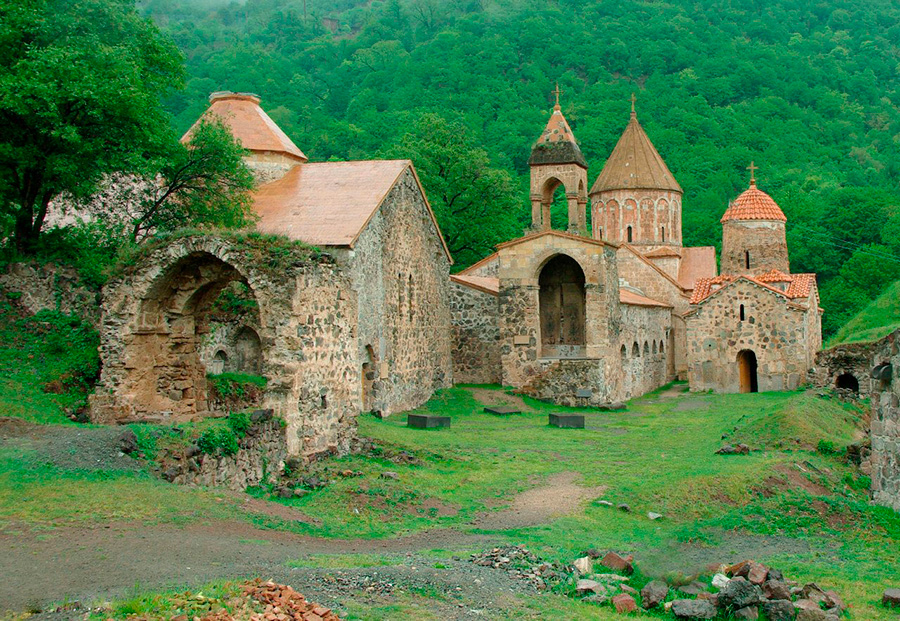
It is believed that in the 4th century, after Armenia officially adopted Christianity as its state religion, the earliest church of the monastery was constructed around the tomb of Dadi. Over the centuries, the complex gradually expanded, with new churches, chapels, and other buildings added at different periods. This development created a remarkable architectural ensemble reflecting the long religious history of the site.
The monastery served not only as a place of worship but also as an important spiritual and cultural center. Its churches, inscriptions, decorative details, and surrounding chapels preserve traces of the religious traditions and architectural practices that developed in medieval Armenia. The peaceful mountain setting further contributed to the monastery’s character as a place of prayer, pilgrimage, and spiritual life.
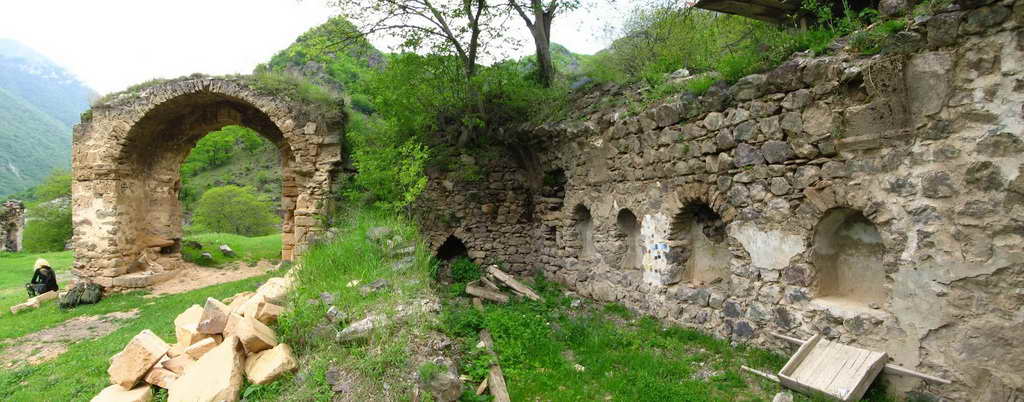
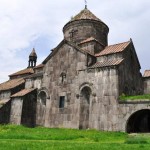
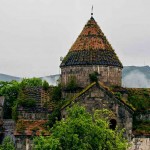
Throughout its history, Dadivank experienced periods of destruction, restoration, and reconstruction. The survival of its historic buildings and architectural details allows visitors to appreciate the complexity of Armenian medieval religious architecture. The combination of sacred buildings, natural surroundings, and centuries of history gives the monastery a distinctive atmosphere.
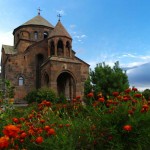
Today, Dadivank Monastery remains a remarkable example of Armenian medieval architecture and a site deeply connected with the early history of Christianity in Armenia. Its historic churches, chapels, distinctive architectural details, and spectacular mountain surroundings make the complex an important part of the region’s cultural and religious heritage.