Aruch monastery
Aruch Monastery: History and Architecture
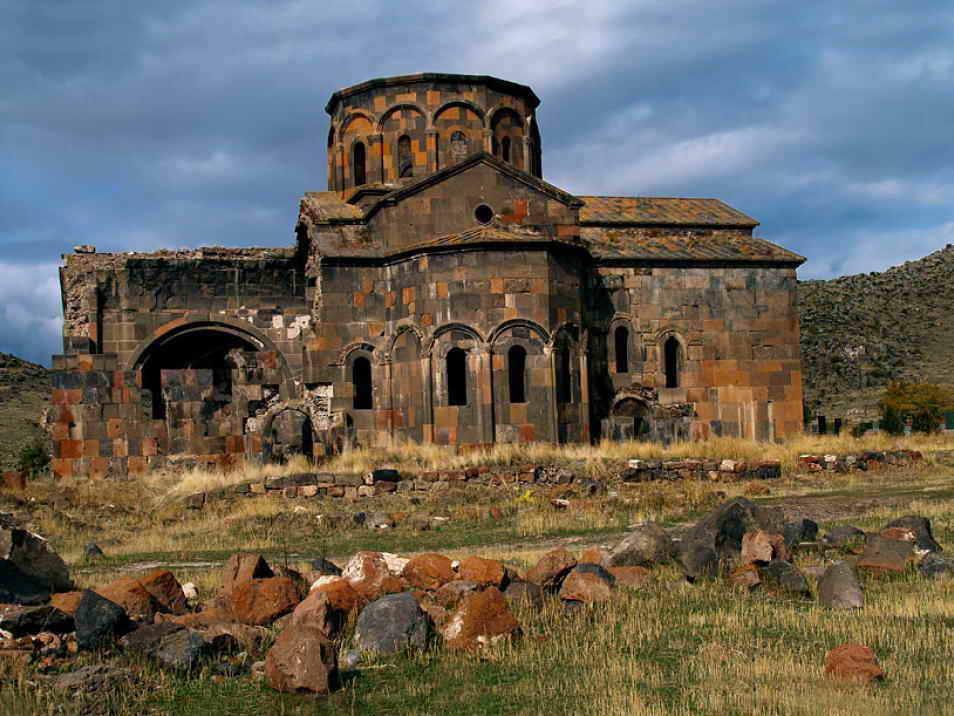
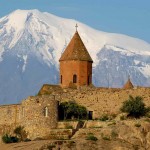
The village of Aruch is considered one of the oldest settlements in Armenia. It is located in the historic region of Aragatsotn Province, at the southern foothills of Mount Aragats, not far from the town of Ashtarak. The impressive Aruch Monastery was built in the late 660s by the Armenian nobleman Grigor Mamikonian as part of his princely residence. At that time, the complex formed an important political and religious center of the region.
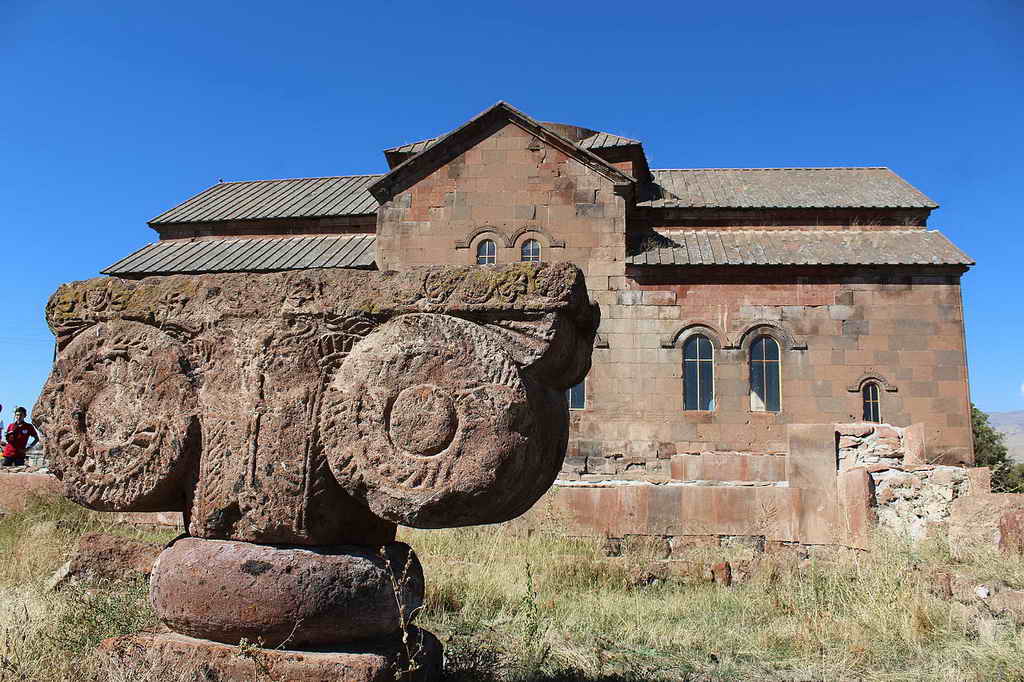
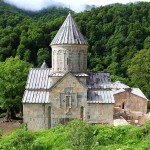
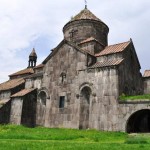
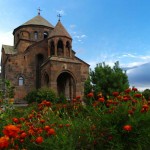
The church of Aruch is notable for its spacious interior and monumental architectural design. Its large scale and carefully planned proportions distinguish it from many other early medieval churches in Armenia. The dome rests on a sophisticated transitional structure resembling pendentives, while the walls and exterior surfaces are decorated with rich stone carvings typical of early medieval Armenian architecture. The combination of monumental forms and detailed stonework demonstrates the high level of craftsmanship achieved by Armenian architects and builders during this period.
Inside the church, fragments of 17th-century wall paintings have been preserved. Among them is a remarkable depiction of Jesus Christ enthroned, surrounded by the Apostles, which once adorned the main apse. These surviving paintings add another important historical layer to the monument and provide evidence of the religious traditions and artistic heritage preserved at Aruch over the centuries.
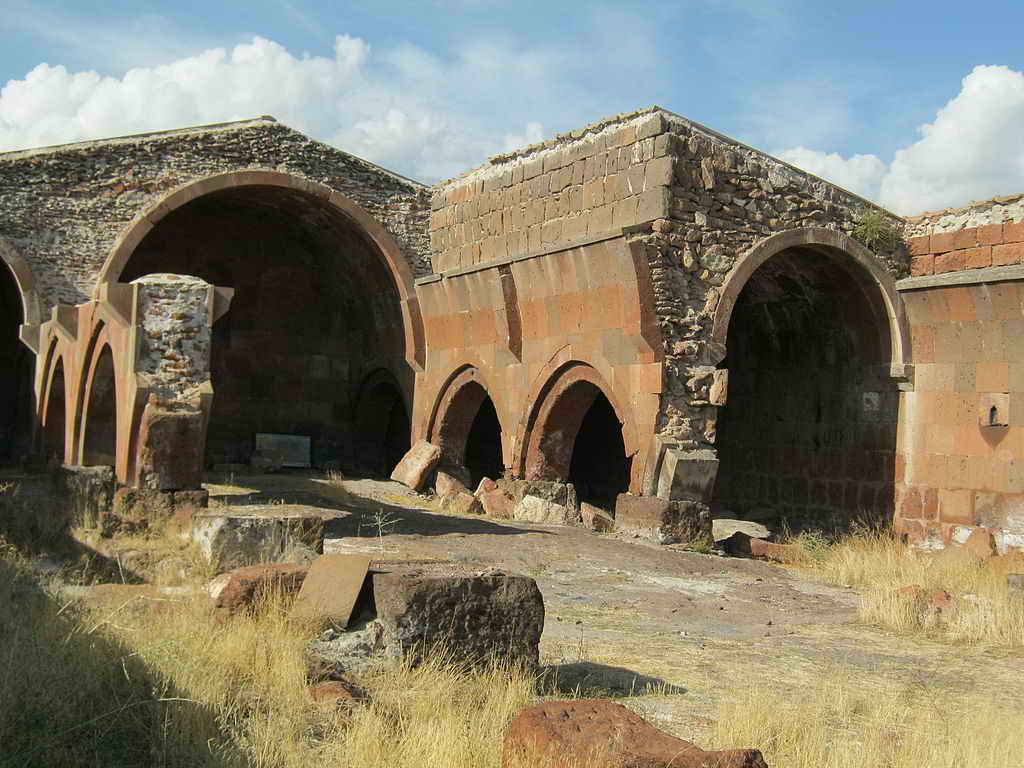
Aruch was not only a religious site but also part of a larger residential and administrative complex. Archaeological excavations to the south of the church revealed the remains of a palace complex attributed to Grigor Mamikonian. The palace featured a large rectangular central hall, surrounded by side chambers and galleries that extended along its perimeter, reflecting the architectural sophistication of the period. The remains help researchers understand the importance of Aruch as a center of political power during medieval Armenia.
Over the centuries, the monastery and surrounding settlement experienced periods of destruction, reconstruction, and change. Despite these challenges, the surviving church and archaeological remains continue to provide valuable insight into the history, architecture, and cultural life of medieval Armenia.
Today, Aruch Monastery remains an important historical and architectural monument, offering visitors a glimpse into the cultural and political life of medieval Armenia. Its monumental church, preserved wall paintings, and nearby palace remains make Aruch an especially interesting destination for travelers exploring Armenia’s early medieval heritage.