Lchashen fortress
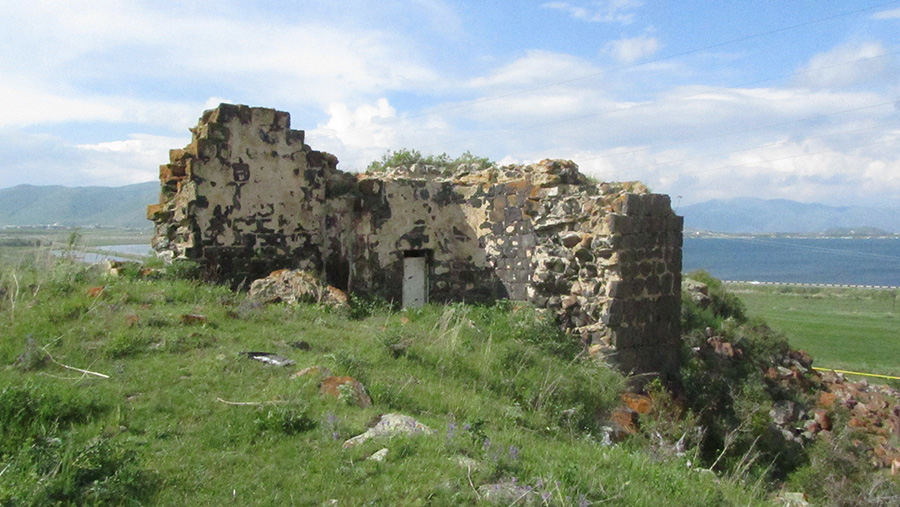
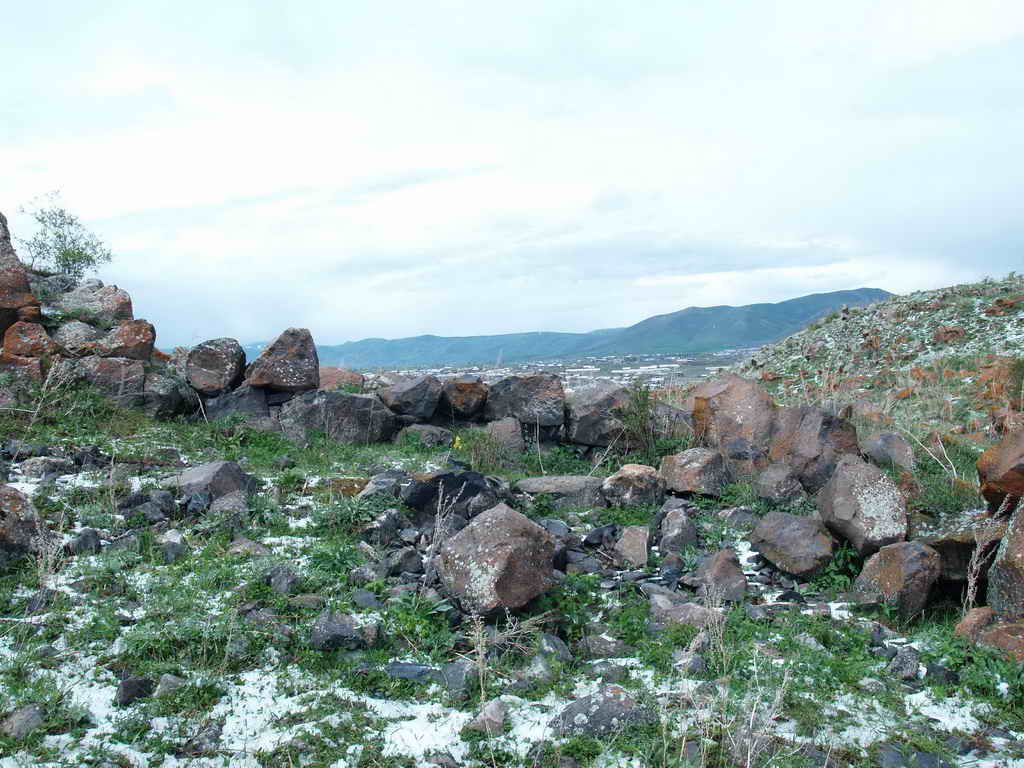
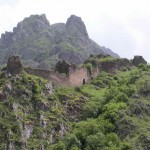
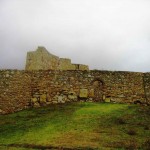
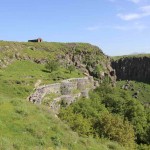
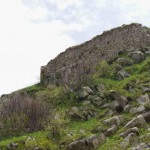
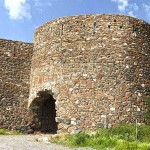
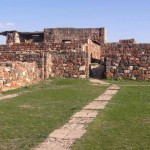
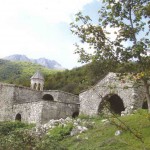
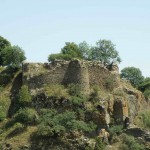
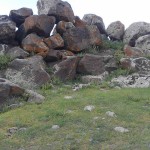
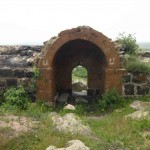
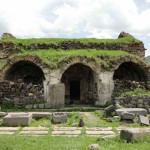
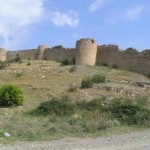
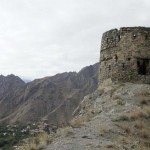
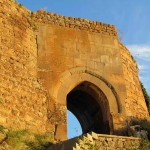
To the south-west of Lchashen village, on low hills near the shore of Lake Sevan, lies the Urartian Lchashen Fortress. Its massive walls, up to 4 meters thick, cover both hilltops and the hollows between them, forming a system of enclosed areas. The fortress extends down to the water, creating the only convenient access route, which explains its size and strategic importance. Archaeological research dates the fortress to the 7th century BC. An inscription by King Argishti I, son of Menua, was discovered here, describing the capture of the city of Kiehuni. Excavations also revealed fragments of ancient pottery from the 1st millennium BC, indicating continuous settlement in the area. Nearby, a necropolis dating back to the 2nd millennium BC was uncovered. Remarkably preserved for over 1,500 years, it contains grave goods of tribal chiefs, including wooden carts, chariots with horses, and figurines of bulls, deer, and birds. Many of these figures were created using the lost-wax technique, allowing each piece to capture the skill, thought, and artistic vision of its creator. Visiting Lchashen Fortress offers a fascinating glimpse into Urartian culture, military strategy, and ancient artistry, set against the stunning backdrop of Lake Sevan.