Amberd fortress
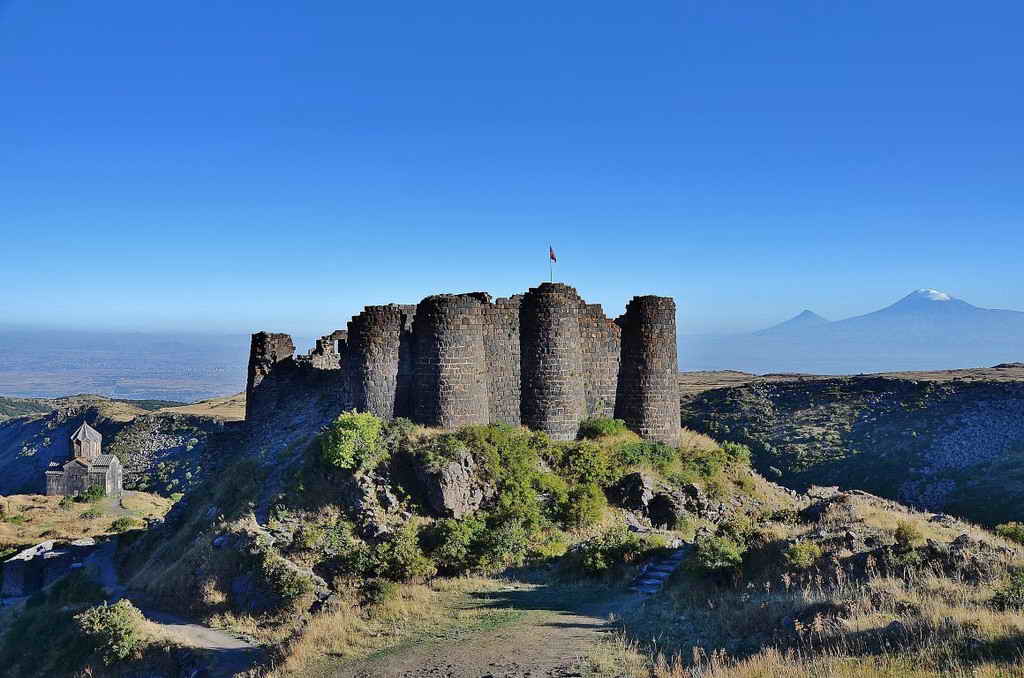
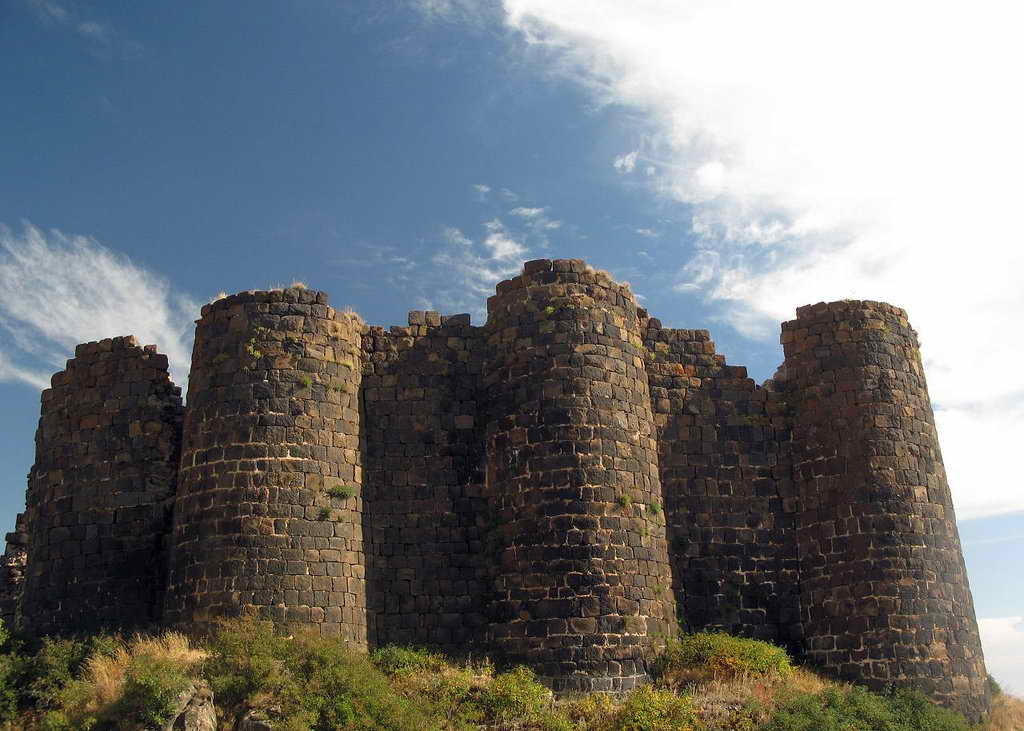
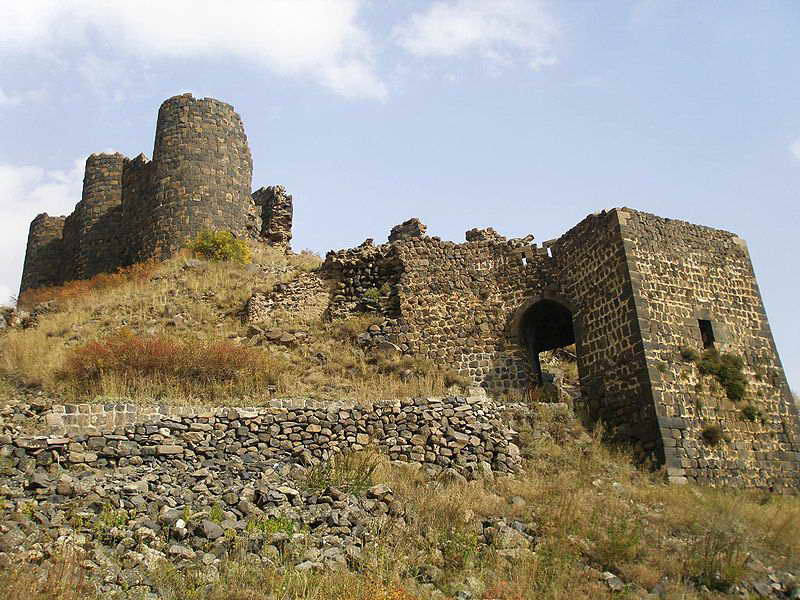
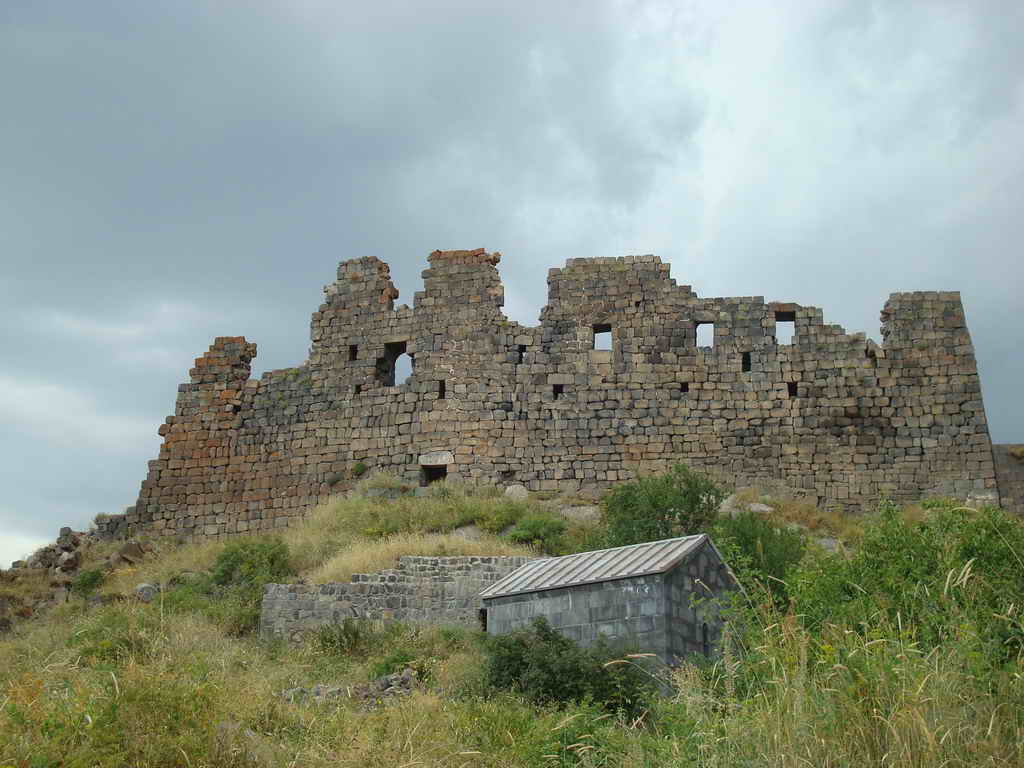
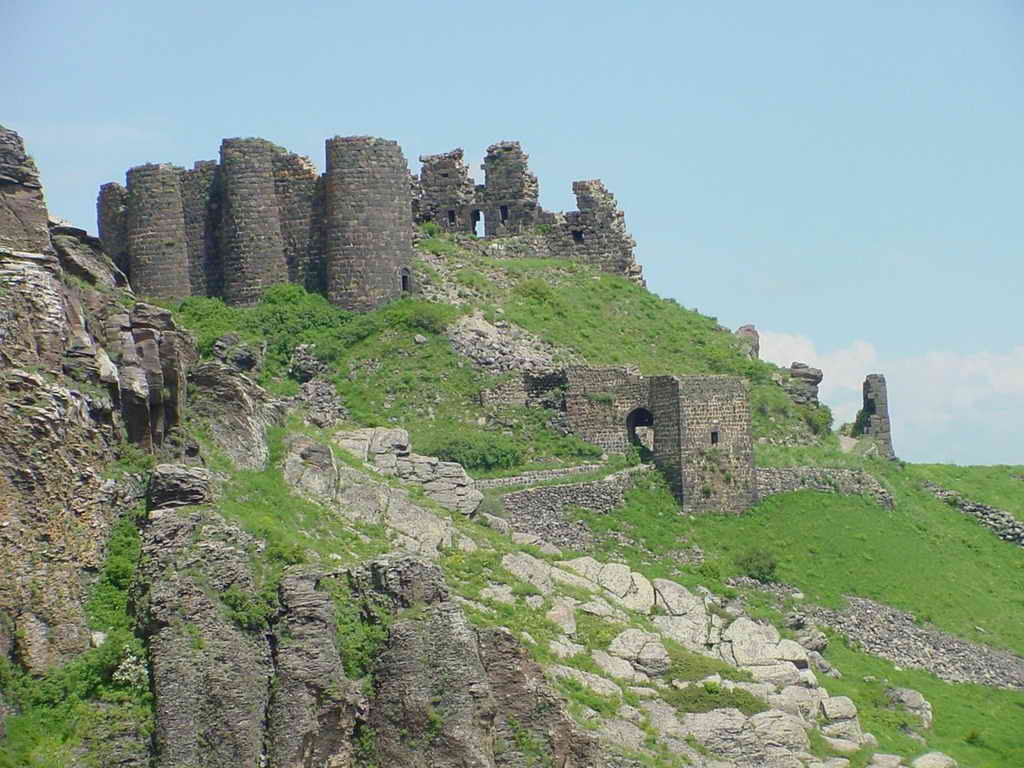
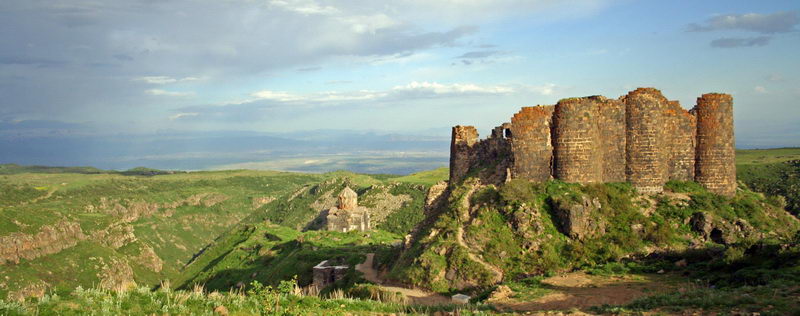
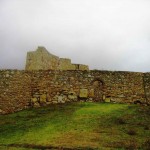
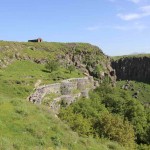
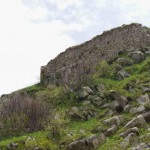
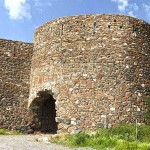
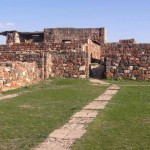
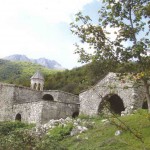
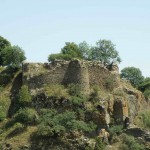
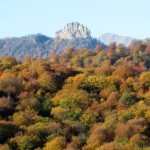
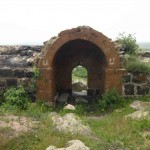
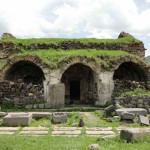
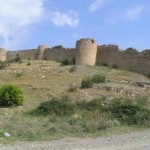
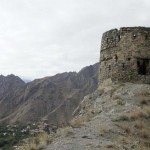
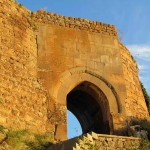
The Amberd Fortress is one of the most important and impressive monuments of medieval Armenian fortification architecture. The complex is notable for its scale and diversity of structures, including a church, chapel, baths, defensive walls, and gates, all located in a spectacular natural setting with strong natural defenses. The name Amberd means “fortress in the clouds” in Armenian, an appropriate description given its elevation of about 2,300 meters on the slopes of Mount Aragats. The fortress lies about 4 miles (6 km) from the village of Byurakan. Amberd was originally founded in the 7th century during the rule of the Kamsarakan Dynasty. About four centuries later, it was rebuilt and strengthened by Vahram Pahlavuni, who added massive stone walls and three defensive bastions along the ridge of the Arkhashyan ravine, the only side lacking natural protection. Within the fortress stands the Vahramashen Church, built in 1026, as indicated by an inscription above its entrance. The church features simple yet expressive architecture and is crowned with a distinctive umbrella-shaped dome, typical of medieval Armenian design. Throughout its history, Amberd witnessed several invasions. In the 11th century, it was captured by the Seljuk Turks, and about two centuries later it was attacked again by Mongol Empire forces. Despite these turbulent events, many remains of the complex are still visible today. Visitors can explore sections of defensive walls and towers, the church, the ruins of a medieval bathhouse, a secret passage, and parts of the fortress water-supply system, which together illustrate the advanced defensive and engineering techniques of medieval Armenia.