Mount Ara
A Sacred Peak of Legend and Remembrance
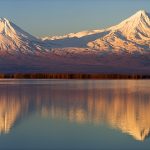
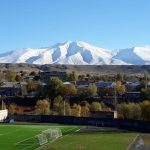
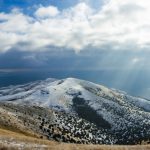
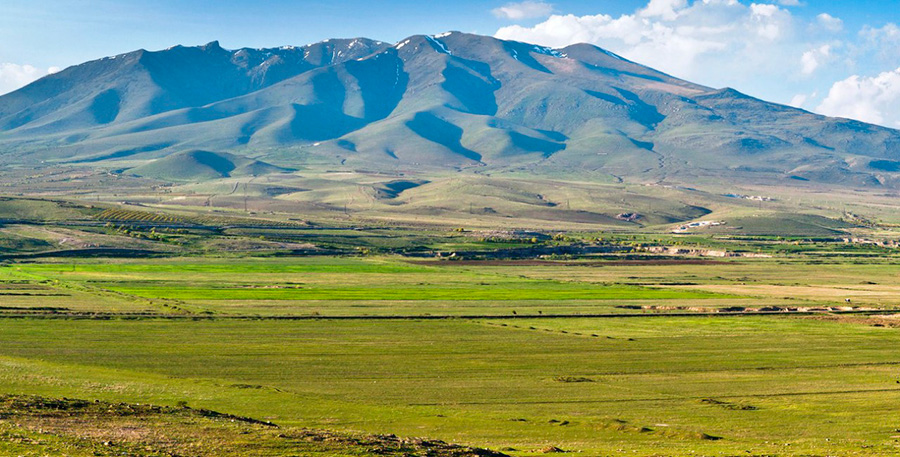 Mount Ara rises in central Armenia, marking the natural boundary between the Ararat and Armavir provinces. Situated between the majestic slopes of Mount Aragats and the vast Ararat Plain, it reaches an elevation of approximately 2,577 meters above sea level. Owing to its isolated position, Ara stands out prominently against the surrounding lowlands. From certain vantage points, its silhouette resembles a reclining human figure with hands folded across the chest — a striking image that has inspired generations of storytellers.
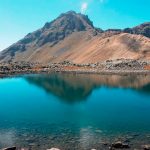
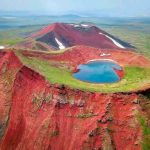
Of volcanic origin, Mount Ara is an extinct volcanic massif characterized by gentle slopes and a broad summit plateau. Its calm, rounded contours contrast with the dramatic legends and historical narratives that have surrounded the mountain for centuries.
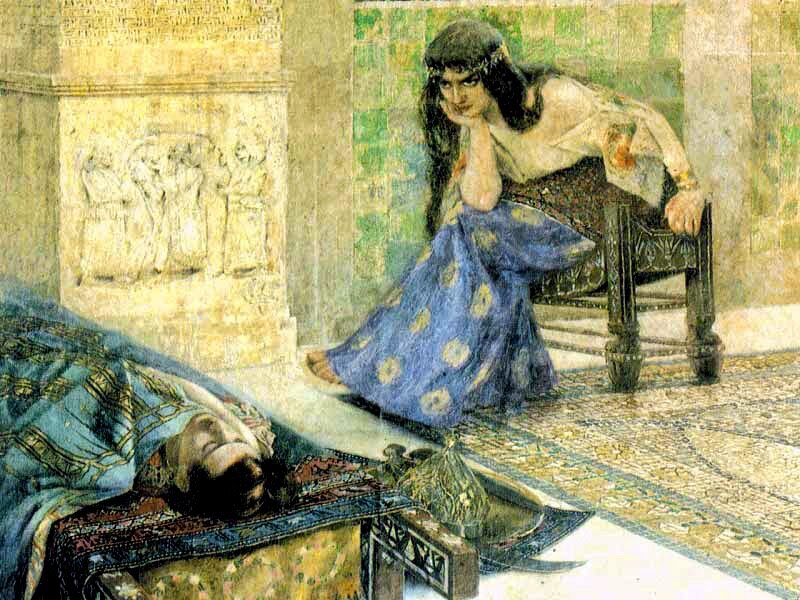 The name Ara is inseparably linked with one of Armenia’s most famous legends — the story of King Ara the Beautiful. According to tradition, the Assyrian queen Semiramis (Shamiram), captivated by Ara’s beauty, sought to make him her husband. When he refused, she waged war against Armenia, during which Ara was killed. Unable to accept his death, Semiramis ordered his body to be brought to the summit of the mountain, hoping the gods would restore him to life. Folk belief holds that the mountain itself became the petrified body of Ara the Beautiful, its shape serving as a silent testament to this ancient tale.
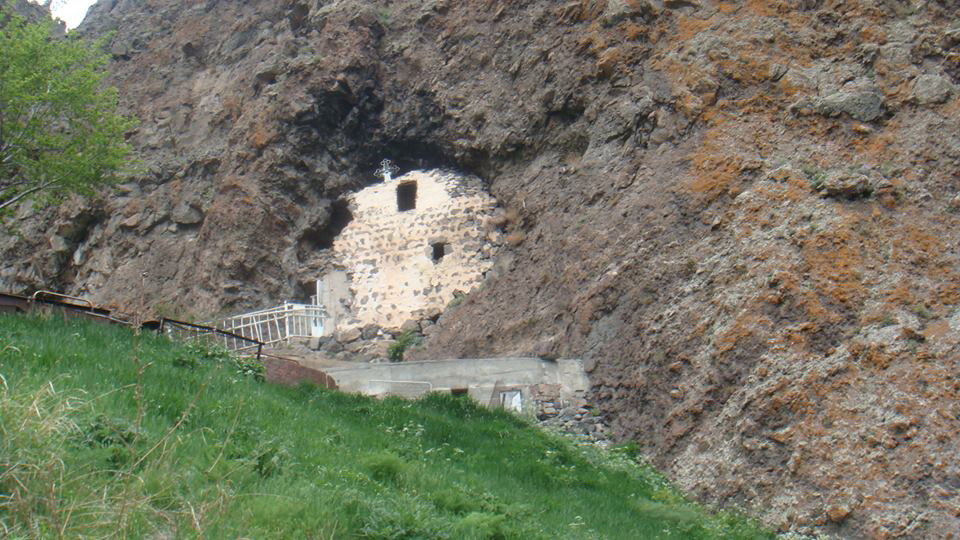 Mount Ara is also associated with early Christian heritage. Within the rocky formation known as Akloravank (Aklorakar) lies a cave referred to as the Hermitage of Saint Barbara. According to legend, the hermit nun Barbara lived and prayed here in complete solitude. Even today, the site evokes a powerful sense of awe; it is difficult to imagine how she endured the storms, lightning, and piercing winds at such altitude. The cave remains a place of quiet spiritual reflection and contemplation.
At the foot of the mountain stands an outstanding 7th-century monument of Armenian architecture — the Church of Surb Zoravar (the Monastery of Saint Theodore of Yeghvard). This remarkable structure underscores the sacred character of the area and symbolizes the region’s transition from pagan traditions to Christian faith.
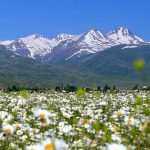
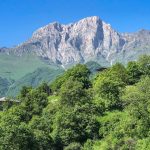
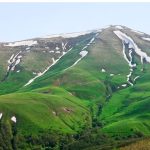
The natural landscape of Ara is marked by balanced and understated beauty. The lower slopes are covered with steppe vegetation that transforms into a colorful carpet of wildflowers in spring. Higher up, subalpine meadows spread across the plateau. The local fauna is modest yet harmoniously integrated into the environment, and the open expanses allow visitors to fully appreciate the scale of the surrounding valley.
Ascending Mount Ara is considered accessible and does not require technical mountaineering skills. The route follows gentle paths and broad inclines, making it suitable for hiking enthusiasts. From the summit, breathtaking panoramas unfold over the Ararat Plain, Mount Ararat, Mount Aragats, and the central regions of Armenia. Sunrise and sunset are particularly memorable, when the valley and peaks are bathed in soft golden light.
Mount Ara holds special significance on April 24, when many people climb its slopes in remembrance of the victims of the Armenian Genocide. On this day, the mountain becomes a place of silent pilgrimage, reflection, and collective memory.
Today, Mount Ara is far more than a natural landmark. It is a living symbol of Armenia’s cultural and spiritual heritage, where mythology, history, faith, and nature converge — transforming the mountain into an enduring emblem of love, tragedy, resilience, and remembrance.