Mount Ishkhanasar
The Peak of Winds and Ancient Signs
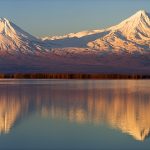
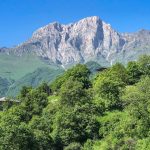
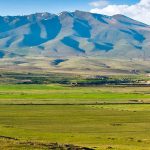
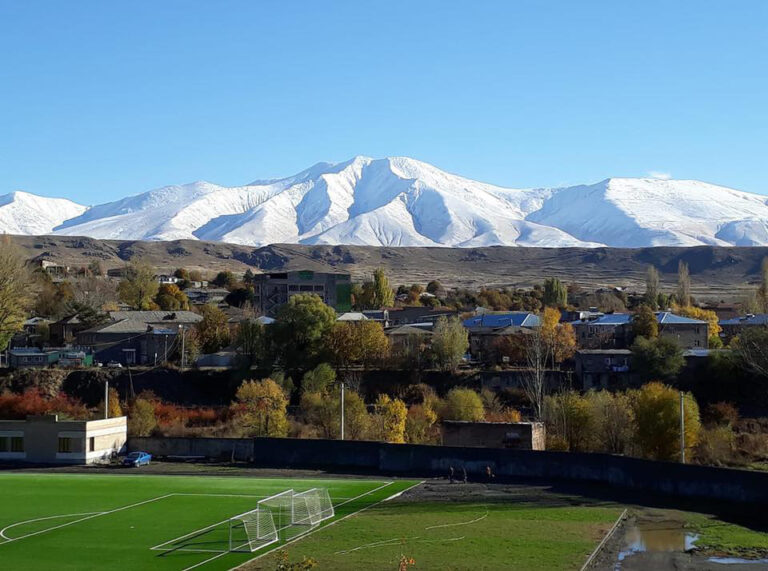 Ishkhanasar is one of the most striking summits of southern Armenia, located in Syunik Province at the junction of the Syunik and Vayots Dzor highlands. Rising more than 3,500 meters above sea level, the mountain forms part of the Zangezur Range. Owing to its commanding position, Ishkhanasar dominates the surrounding landscapes and draws attention from afar with its austere, almost untouched appearance.
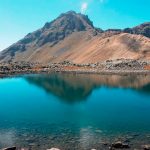
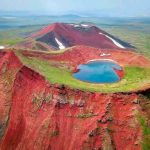
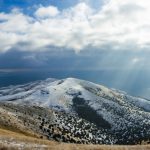
The massif is of volcanic origin. Its slopes were shaped by ancient lava flows, volcanic tuff, and basalt formations, while the terrain combines broad plateaus, rocky stretches, and high-altitude meadows. For much of the year, the summit and upper slopes remain snow-covered, and weather conditions change rapidly — clear skies can give way to mist and strong winds within minutes.
Origin of the Name and Legends
The name “Ishkhanasar” derives from the Armenian word ishkhan, meaning “prince” or “ruler.” Since ancient times, the mountain has been regarded as a “princely peak,” rising above neighboring summits and symbolizing strength, authority, and protection. In folk tradition, it is often mentioned as a place where rulers gathered or where significant rituals were performed.
According to one legend, ancient priests ascended Ishkhanasar to appeal to the heavens for protection over their lands. The mountain was believed to stand closer to the sun and stars than any other, making it an ideal place for communion with higher powers.
Petroglyphs and Traces of Ancient Cultures
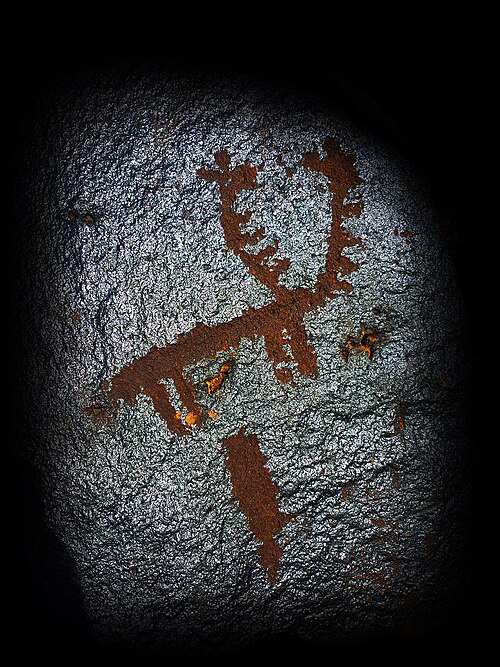 Ishkhanasar is renowned not only for its elevation but also for its remarkable archaeological heritage. Numerous petroglyphs dating back to the 4th–2nd millennia BCE have been discovered on its slopes and plateaus. These rock carvings depict hunting scenes, animal figures, solar symbols, and abstract signs.
Particularly intriguing are the images of fish and water-related symbols, linking Ishkhanasar to ancient cults of water and fertility. Some researchers believe the mountain was part of a sacred network of high-altitude sanctuaries in Syunik, alongside Ughtasar and other early spiritual centers.
Nature and the High-Altitude World
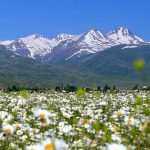
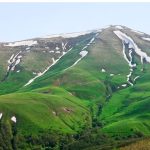
The natural environment of Ishkhanasar is both harsh and majestic. Lower slopes are covered with alpine and subalpine meadows rich in rare herbs and endemic plant species. In summer, mountain poppies, bellflowers, and medicinal plants bloom, filling the air with a delicate fragrance.
Wildlife includes mountain goats, foxes, and various birds of prey. A strong sense of solitude prevails here — even during the туристический season, Ishkhanasar remains relatively untouched, making it especially appealing to those seeking silence and a connection with unspoiled nature.
Ascent and Exploration
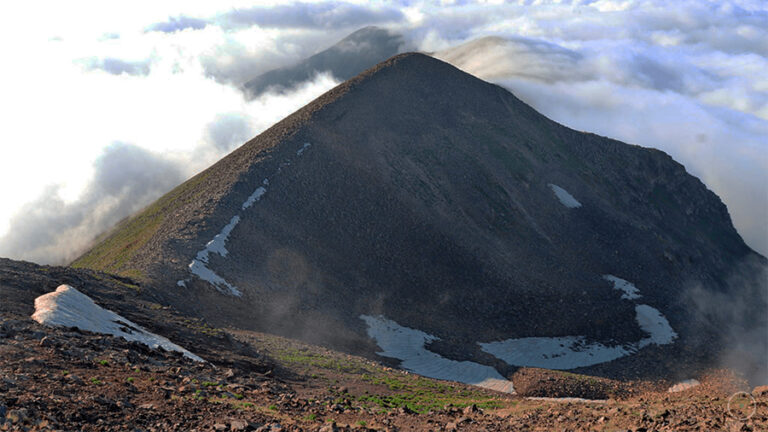 Ishkhanasar is considered a route of moderate to advanced difficulty and is recommended for experienced hikers. The trail crosses open plateaus, rocky terrain, and steeper ascents. Due to rapidly changing weather and limited trail markings, independent climbs without an experienced guide are not advisable.
From the summit, breathtaking panoramas open across the Syunik Mountains, the Zangezur Range, and distant highland plateaus. On clear days, it feels as though the horizon dissolves into the sky.
Ishkhanasar Today
Today, Ishkhanasar is regarded as a place of power where nature, history, and ancient symbolism converge. It attracts archaeologists, trekking enthusiasts, and travelers eager to explore Armenia beyond the well-known tourist routes. This is not a mountain for haste, but for thoughtful journeys — a place where the wind whispers ancient stories and the stone preserves the memory of millennia.