Mount Khustup
The Sacred Guardian of Syunik
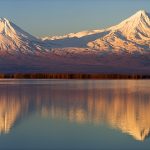
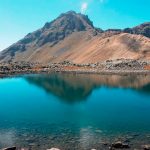
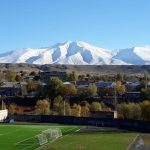
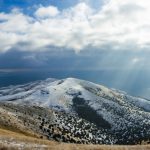
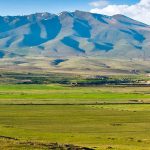
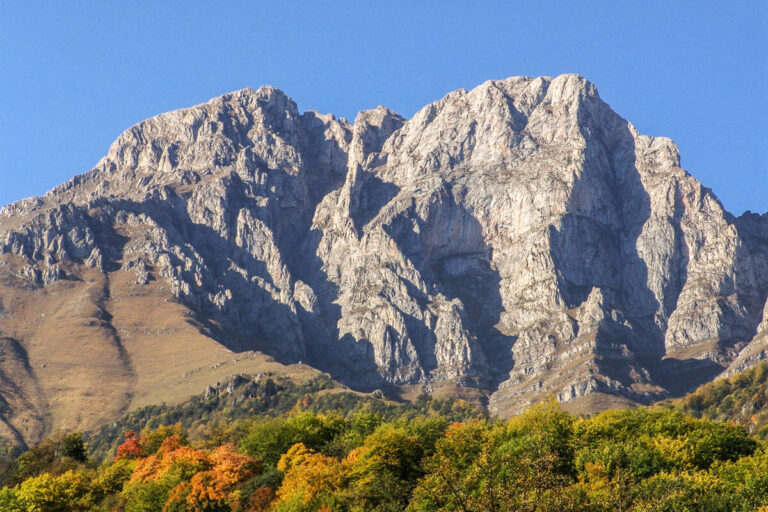 Mount Khustup is one of the most significant and revered peaks in southern Armenia, rising to 3,201 meters above sea level. It is the highest point of the Khustup–Katar Range, which stretches for approximately 40 kilometers and forms the southern branch of the Bargushat Mountains. The massif is estimated to be around 150 million years old, standing as a silent witness to the deep geological history of the region.
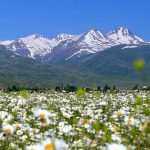
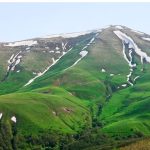
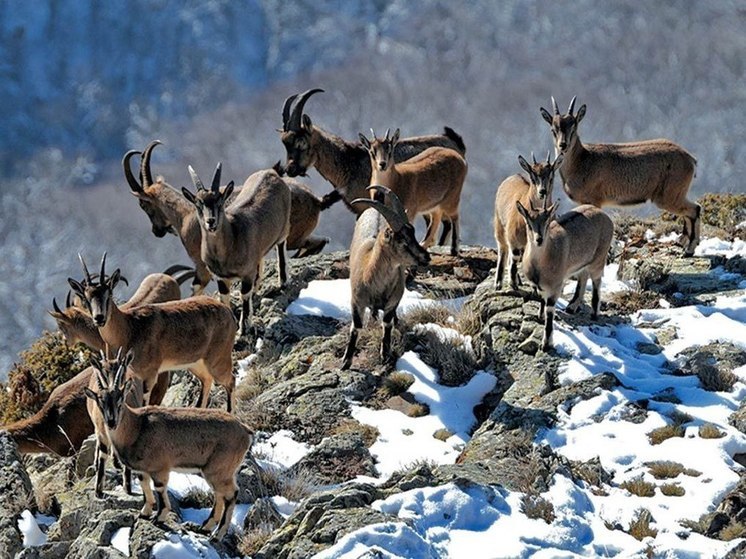
Khustup lies within a specially protected natural area and is part of the “Khustup” Reserve, included in the Zangezur Biosphere Complex. Thanks to this protected status, the mountain preserves remarkable biodiversity. Its slopes are home to rare plant species, many of which are listed in Armenia’s Red Book, while among its wildlife one can encounter the bezoar goat — a symbol of Syunik’s wild and untouched nature.
 Since ancient times, Khustup has been regarded as a sacred mountain. Locals often call it “The Hermit,” emphasizing its solitude and the unique spiritual atmosphere that surrounds it. According to one interpretation, the name “Khustup” may derive from the Hurrian root hutu, meaning “prayer.” It is no coincidence that for centuries the mountain served as a place of worship and pilgrimage.
There is a belief that Khustup embodied a solar deity: at dawn, the sun rises directly behind the summit, as if crowning it with light. For this reason, pagan rituals and sacred festivals dedicated to the sun, fertility, and renewal of life were once held on its slopes. In symbolic form, this tradition continues today — the mountain still attracts pilgrims and those seeking spiritual renewal.
Khustup is also closely connected to Armenia’s modern history. A bronze bust of Garegin Nzhdeh — national hero and ideologue of Armenian resistance — is installed on one of its slopes. The Geological Museum of Kapan preserves a rare photograph from 1919 showing residents celebrating Vardavar at the foot of the mountain, reflecting its important role in the social and cultural life of the region.
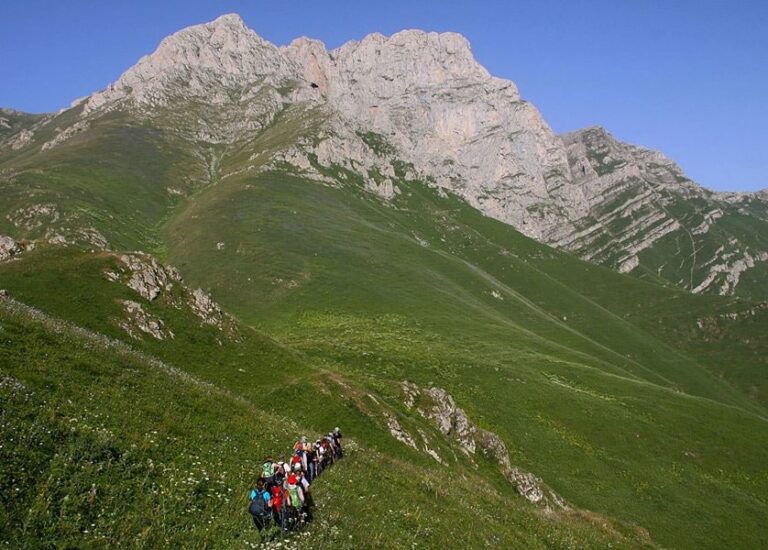 The image of Mount Khustup has long inspired artists from Kapan and Syunik, appearing in numerous paintings and graphic works. Today, the mountain remains one of the most popular destinations for outdoor activities. Hiking enthusiasts, mountaineers, off-road adventurers, cyclists, and nature lovers are drawn to its slopes.
The journey to the summit offers travelers the chance to experience pristine wilderness in its purest form. Along the way, one may encounter mountain goats and wild turkeys, drink icy water from crystal-clear springs, admire sweeping panoramas of Syunik, and discover the rich diversity of high-altitude flora. Mount Khustup is more than a mountain — it is a symbol of resilience, strength, and the spiritual heritage of the Armenian people, uniting nature, history, and faith in one majestic peak.