Mount Ughtasar
The Stone Chronicle of Ancient Syunik
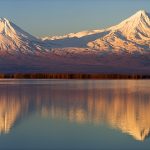
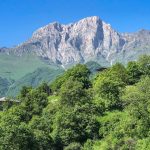
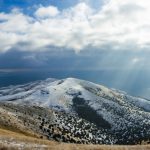
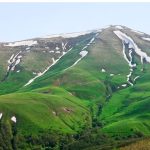
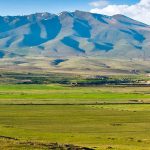
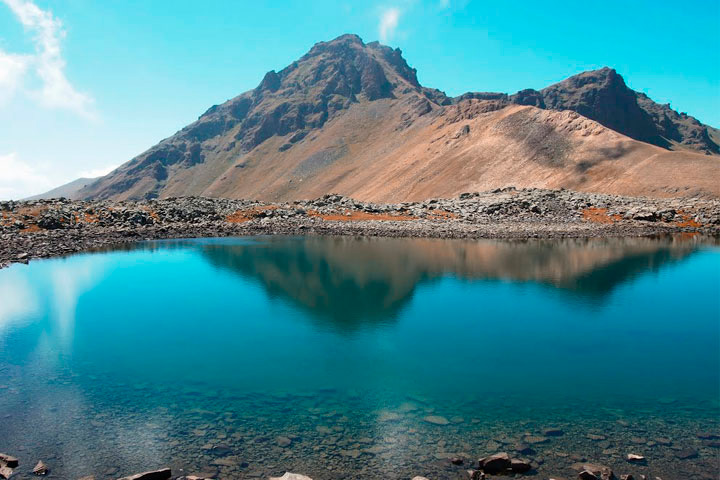 Mount Ughtasar is one of the most mysterious and awe-inspiring mountain massifs in Armenia, located in the central part of the Syunik Highlands, approximately 30 kilometers from the town of Sisian. The peak rises to 3,496 meters above sea level, while its high-altitude plateau and slopes, stretching between 3,000 and 3,300 meters, create a landscape that is both harsh and captivating.
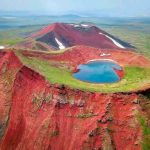
The name “Ughtasar” translates as “Camel Mountain,” derived from the massif’s distinctive shape resembling a camel’s hump — particularly noticeable between Black Lake and Red Lake. The mountain’s present-day appearance was shaped by ancient volcanic activity. Craters, solidified lava flows, and small lakes that have filled natural depressions in the rock can still be seen across the terrain.
A Sacred Place of Ancient Peoples
Since prehistoric times, Ughtasar has been regarded as a sacred territory. For ancient communities, the journey into these highlands was believed to be a path of physical and spiritual purification. Rituals connected with hunting, fertility, and the worship of natural forces and celestial bodies were performed here. The stone carvings were not merely artistic expressions but formed an integral part of ceremonies and sacrificial rites.
The Petroglyphs of Ughtasar
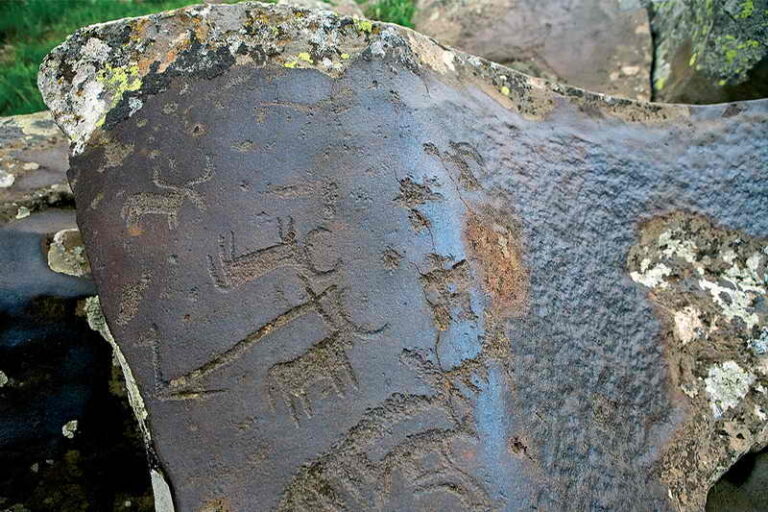 The greatest treasure of Ughtasar is its collection of more than 2,000 petroglyphs dating back to the 4th–5th millennia BCE. These rock carvings are scattered across the foothills, plateaus, gorges, around volcanic craters, and near high-altitude lakes. They represent some of the oldest cultural monuments not only in Syunik but in all of Armenia.
The images are engraved on smooth dark and copper-toned rocks, both on horizontal and vertical surfaces. The carved lines range from 2 to 6 millimeters in depth and up to 20 millimeters in width. Among the scenes depicted are hunting episodes, deer, mountain goats, predators, natural symbols, abstract signs, and solar motifs. The cult of the sun occupies a special place, reflecting the advanced cosmological understanding of the region’s ancient inhabitants. Some compositions, according to researchers, may have functioned as a primitive calendar or symbolic map of the sky.
Archaeological Significance
In 1968, a unique archaeological complex was documented at Ughtasar, confirming the exceptional historical value of the site. Scholars observed that many petroglyphs are most clearly visible at sunrise and sunset, suggesting possible ritual significance. Today, Ughtasar is recognized as one of the most important centers of prehistoric rock art in Armenia.
Nature and Visiting Conditions
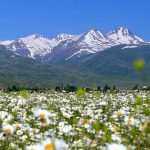
The climate of Ughtasar is severe and directly influenced by its elevation. Even in summer, sudden temperature shifts, strong winds, and fog are common. The best time to visit is from late spring to early autumn, while in winter the area becomes largely inaccessible due to snow and challenging weather conditions.
Ughtasar Today
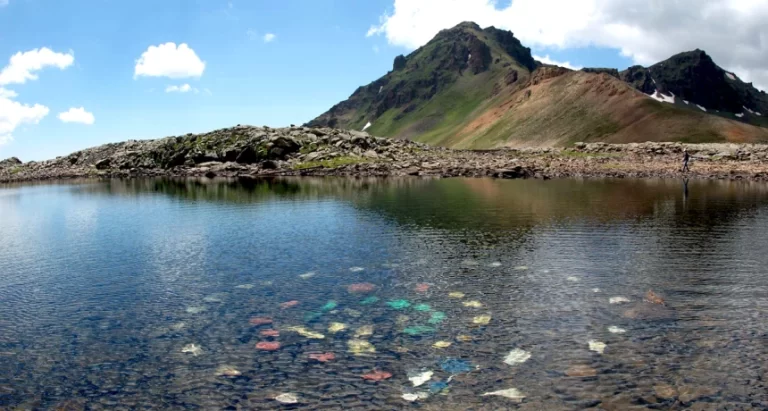 Today, Mount Ughtasar functions as an open-air museum, attracting travelers, archaeologists, and history enthusiasts. Every stone preserves the memory of people who lived here thousands of years ago, and the petroglyphs seem to continue an ancient dialogue between humankind, nature, and the cosmos. Local shepherds say that in foggy weather, the carved figures appear to “come alive,” echoing a time when humanity was only beginning to understand its place in the world.